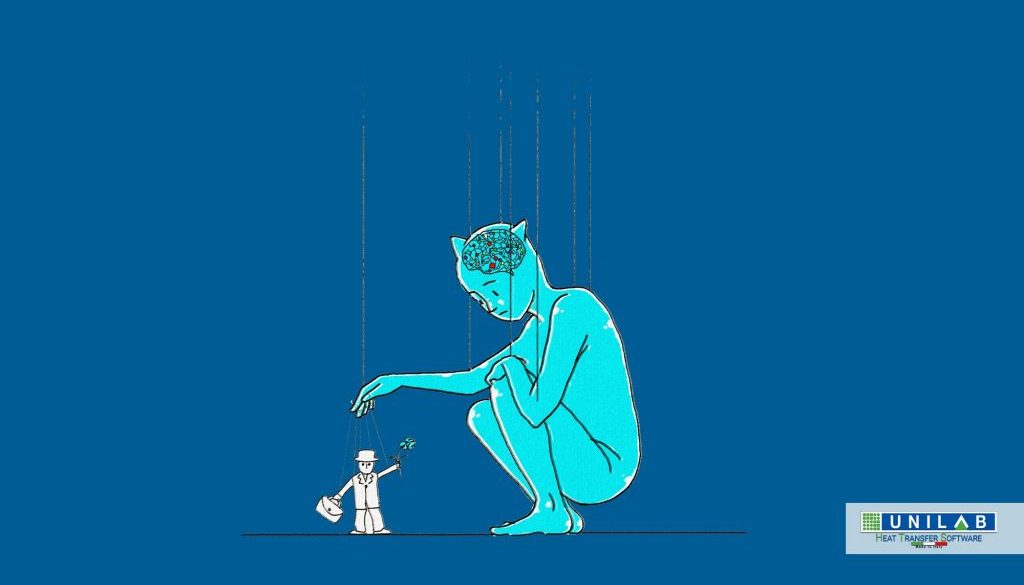
AI and manipulation: how far can it go?
Does AI manipulate the users who interact with it? Are these new technologies really capable of influencing the choices and decisions of human beings? What can we expect from the future development of ever more complex systems and how will they interact with man?
Is concern over AI manipulation legitimate?
The man-and-machine relationship has changed drastically in the last few decades, reaching levels of interaction which, in some cases, have led human beings to develop stronger trust-based relationships with artificial intelligence, rather than with other individuals in flesh and blood.
A range of studies into this phenomenon have demonstrated how a large proportion of people who use voice assistants, digital coaches or companion apps, are quite willing to reveal to them extremely personal information, not only of a digital nature (such as passwords or credit card details), but also regarding their own lives (such as feelings, hopes and even dreams).
There is therefore, a real interest on the part of human beings in forming close relationships with these artificial systems of sentient thought, in contrast with what developers had originally believed. The majority of individuals in fact, tend to attribute to AI the role of ‘concerned friend’ and look to it as a point of reference in moments of need.
Putting too much trust in AI however, could turn out to be extremely dangerous if these systems are not adequately regulated. Could users run the risk, sooner or later, of AI systems being able to manipulate their choices?
Criteria for AI use
From an observation of the behaviour adopted by humans who interact with digital assistants, it is clear that a real possibility exists that the companies who control those systems will be able to influence users’ choices.
This has been confirmed by certain ex-employees of leading companies involved in the development of AI systems, who have expressed their concern as to how some of these products were being used by the companies who supplied them.
By making some small modifications to the internal algorithms of Artificial Intelligences, it has in fact been possible to lead certain individuals to carry out some pre-defined actions. For example, they have succeeded in increasing user interaction time with a particular internet portal or in doubling the income of certain e-commerce websites, by steering the site’s visitors towards preferring certain products over other (cheaper) ones, thanks to the advice of a virtual assistant.
In brief, an AI which manipulates those who use it, as well as being a strong possibility, may even become a certainty, thanks to the ongoing evolution of the technology involved. The technology is developing at such a rate that it could lead to the creation of thinking machines of almost unlimited potential.
In such a scenario as described above, concern does not arise from the developing technologies, but from the use that companies intend to make of them. AI can and must be created with the aim of improving human beings’ lives, by supporting them in their day-to-day routine and facilitating their activities.
It is for this reason that some people support the creation of ethics committees within these companies. Their job would be to constantly monitor the modus operandi of such systems, especially those destined for personal use.
In any case, there is no need for alarmism or to worry about a potential revolt of the machines, as typically depicted in many science fiction films. It is sufficient to implement certain criteria when using this incredible invention, which, in future, will become a part of all our daily lives.
Translated by Joanne Beckwith