Virtualisation of Network Functions: all-round savings for companies
Network function virtualisation (NFV) refers to a particular type of software code able to virtually replicate all the functionalities normally carried out by hardware components, such as routers, SD-WAN firewalls etc.
NFV is a technological breakthrough which is already bringing huge benefits to companies who have decided to adopt it, thanks above all to its practicality and ease of integration. It is a step into the future, capable of revolutionising the world of IT as we know it.
uCPE the perfect base for NFV
It is not possible to discuss network function virtualisation without first making a brief mention of uCPE (which stands for Universal Customer Premises Equipment).
Up until a few years ago, network operators provided clients not only with the services they needed, but also with a specific hardware architecture which required assembly and configuration by a specialised technician.
This kind of set-up was known as CPE and included hardware and software which were closely linked and interdependent on each other. In the digital era, where everything must be flexible and free from restrictions, it has become necessary to introduce a certain level of dynamicity, leading to the development of uCPEs.
The term uCPE refers to a sort of server constructed from generic hardware (so not belonging to a specific network service operator), which incorporates computational functionalities (via processors), storage capacity (via SSD) and networking (hosting 2 or more network interfaces which are usually Ethernet ones).
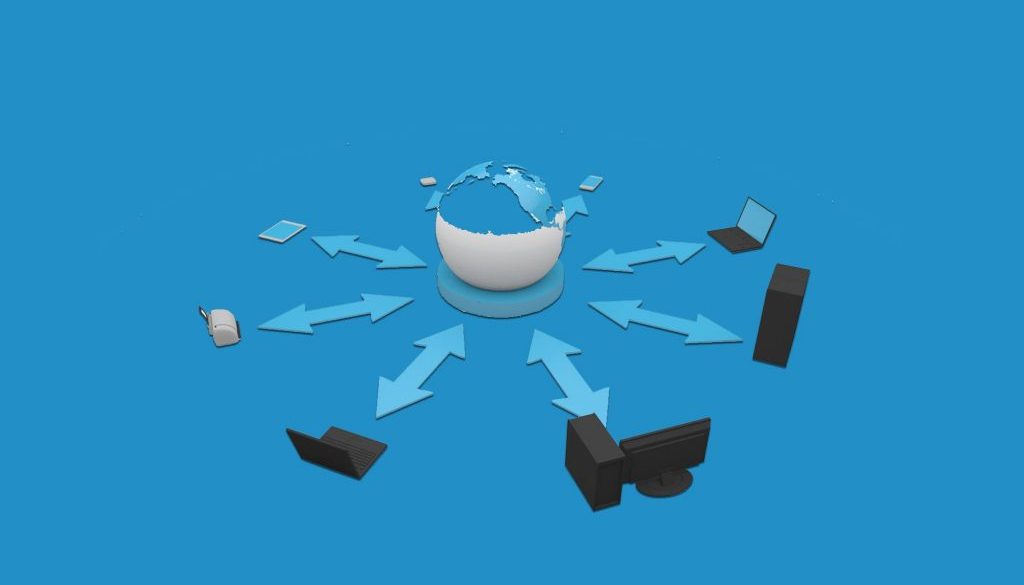
In practice, separate hardware (such as physical routers, external firewalls etc.) is not required, as the whole thing is managed using a single device which is able to host virtual machines as well. Thanks to this possibility, the server can allow the NFV to run inside it, with the aim of simulating all the most common network functionalities.
The advantages for companies which choose NFV
A company which chooses to transfer to networking function virtualisation can obtain interesting advantages from many points of view. The first and most apparent is a drastic reduction in costs in terms of hardware components: there is no longer a need for separate devices so this means less expense.
Many different NFVs can be hosted inside a single uCPE, thanks to virtualisation. This translates into considerable savings in terms of space normally taken up by hardware and a consequent reduction in the consumption of electrical power.
Often, network functions virtualisation is supplied by different operators for network services. Use of a uCPE means a company is not restricted to a particular brand of hardware, therefore enabling them to use NFVs from any provider on the same machine.
Another point not to be overlooked relates to the incredible opportunities it offers for customisation. As it uses software simulated on virtual machines, it is possible to choose programs from one operator or another, without needing to make changes to the hardware.
NFVs are also future-proof, so easy to update according to company requirements at any particular time.
The future of network function virtualisation
This promising technology has changed the face of many companies, but it has not yet reached its zenith. The European Telecommunications Standard Institute (ETSI) is working to create a certain standardisation for NFV.
This will provide even greater flexibility, facilitating the integration of NFV into different infrastructures. The idea, over the next few years, is to reach ever increasing levels of network service automation, while bearing in mind their security.
Translated by Joanne Beckwith