Digitalisation of the HVAC&R industry: latest developments
The digitalisation of the HVAC&R industry is gradually moving forward, albeit at a slower pace than in certain other sectors, such as domestic appliances, transport and logistics in particular. Embracing the move towards digital means opening the door to innovation, not only from a technical point of view, but also regarding market approach.
As observed in other sectors, we can expect to see trends including a greater emphasis on the gathering and analysis of data, a marked increase in the adoption of ‘pay per use’ or ‘pay per performance’ business models and the emergence of new smart products and services.
Technologies used in HVAC&R digitalisation
The evolution of the cold sector towards digital involves the implementation of various technologies which can operate together cohesively. IoT, Big Data and Artificial Intelligence are the principal examples that will steer the HVAC&R industry towards digitalisation.
The IoT, or Internet of Things, refers to the growing network of devices and physical objects which use an IP address for Internet communication. These devices can communicate with each other via digital connectivity and send data in real time.
The largescale application of the IoT in HVAC&R allows remote system monitoring and access to benefits such as predictive maintenance, remote management, machine breakdown forecasting, etc. Thanks to the IoT, technicians can, for example, check a supermarket’s system without leaving their office.
Implementing this technology leads to the generation of an enormous quantity of data, so-called big data, which requires adequate management systems with appropriate capacity. Cloud computing is used for transferring big data to memory, while detailed analysis interprets and processes the data for use in decision-making functions.
Finally, artificial intelligence (AI) is able to use the information gathered to allow the systems to learn and evolve independently. This enables greater efficiency in machine management, with considerable savings in terms of energy costs.
New smart solutions for HVAC&R
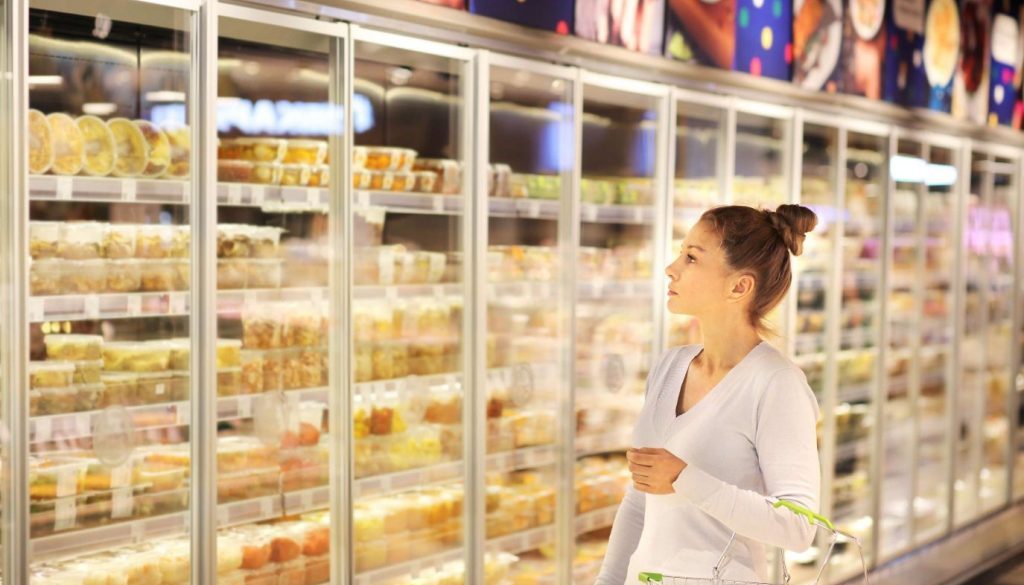
The use of these technologies is leading to the digitalisation of HVAC&R and new opportunities for smart product development. Cooler Screens are a good example: an innovative solution bringing the advantages of online sales to traditional retail.
Cold storage units fitted with this technology have special digital sensors and intelligent high resolution screens. The description and features of products stored inside and any current promotional offers are displayed on constantly updated digital screens.
Cooler Screens not only improve the customer’s experience while making a purchase in the shop, but also facilitate their access to relevant information as well as providing greater transparency.
Digitalisation and renewable energy sources
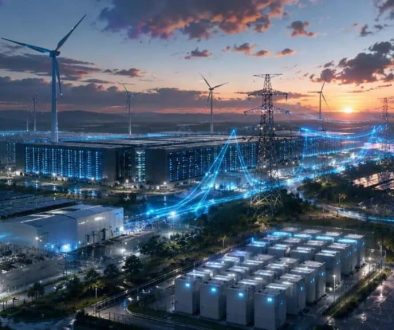
According to an article in Refrigeration World (viewable via this link), the HVAC&R digitalisation process represents an opportunity to increase the level of demand for heating and cooling equipment powered by renewable energy sources.
Digital allows for the analysis of energy requirements in real time, as well as the provision of energy and more interaction between supply and demand; a fundamental strategy for the successful integration of renewable energy sources into the electrical system.
19% of European demand is already met by renewable energy sources and digitalisation could play a key role in increasing this percentage further. This could result in a potential acceleration towards the abandonment of fossil fuels throughout the HVAC sector.
Translated by Joanne Beckwith