Energy label: what has changed since March 2021
The energy label is a very useful tool which allows customers to benefit from extra guidance when purchasing household appliances. It contains precise, detailed information on the device’s energy consumption, as well as other important data, which can result in significant savings over time.
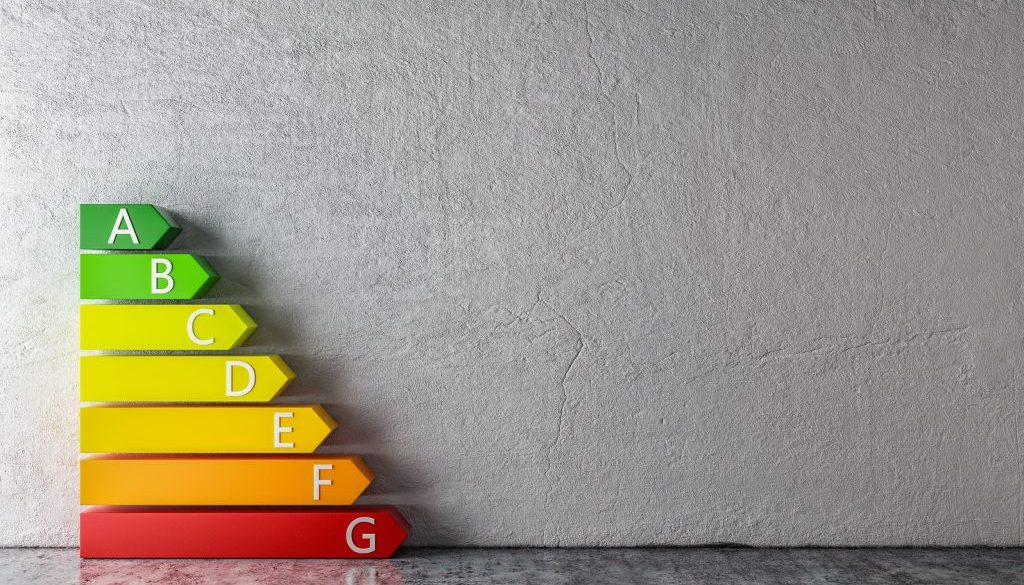
A new energy classification scale came into force on 1st March 2021, designed to be more suited to the technologies used in latest generation devices. The new energy label is easier to understand and includes a lot of specifications which help the consumer to make a more informed purchase.
How the energy label is changing
The first and most important change to the energy label involves the energy consumption classification scale. Previously, this started from letter D (indicating low energy efficiency) and went up to categories A+, A++ and A+++, which represented optimal energy efficiency.
On the new label however, appliance energy classification categories range from letter G to letter A. Products which fall into the three best efficiency classes are now placed in classes B, C and D. This frees up space in the top category for domestic appliances of the future, which will be designed to have greater energy efficiency.
The symbols relating to appliance performance remain the same, but they are presented in a clearer and more modern style. Their function is to provide specific information which can be easily understood on visual inspection; in the case of a washing machine for example, this includes the number of litres of water used per cycle, cycle duration and the energy consumed during a standard wash program.
Another immediately visible difference in the new energy label is the inclusion of a QR Code in the top right corner. The consumer can scan it in order to access further more detailed information about the appliance and its features.
This has become possible thanks to one of the new regulations implemented at the same time as the introduction of the new classification labels. This regulation sets out that all products must be registered in a European database known as the European Product Registry for Energy Labels or EPREL.
Timescales and new regulations
From 1st March 2021, four categories of products will bear the new energy labels: refrigerators and freezers, dishwashers, washing machines and television sets (including other types of external monitors). On 1st September 2021, lamps and lightbulbs will be included, then, over the next few years, the new labelling scheme will gradually be extended to all other appliances.
Along with the introduction of the new labelling scheme, some other new regulations connected with it also came into force. One of these, as mentioned above, obliges manufacturers to register all domestic appliances on the EPREL, while the other most important regulation involves the availability of replacement parts.
According to current regulations, companies who manufacture and distribute electronic products must guarantee the availability of replacement parts for seven to ten years after the product is launched onto the market, which still applies even if the products themselves are withdrawn from sale before that date. Furthermore, replacement parts must be delivered within 15 working days of an order being placed.
With the changes outlined above, the energy label becomes even more useful and easier to understand. The potential savings are considerable, as reflected by some surveys in which over 79% of the interviewees declared that they had been guided by it while making a purchase, not to mention the added incentive for companies to research and produce new appliances with ever greater energy efficiency.
Translated by Joanne Beckwith