IT infrastructures: are they environmentally sustainable?
Creating a sustainable IT infrastructure is an important objective, which any company willing to embrace the concept of a green economy can achieve. However, considering the numerous differences between one business and another, it is essential to find the appropriate solution to meet each company’s individual requirements.
Demand for digital services has grown exponentially in the last few years, especially following the Covid-19 pandemic, and this reflects how society’s relationship with digitalisation has become symbiotic. This trend has also led to growing awareness among company managers of the need to adopt sustainable strategies in the IT sector too.
Data centres: solutions to make them sustainable
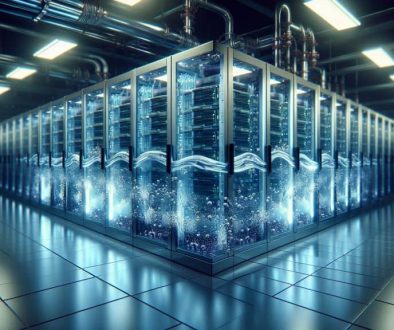
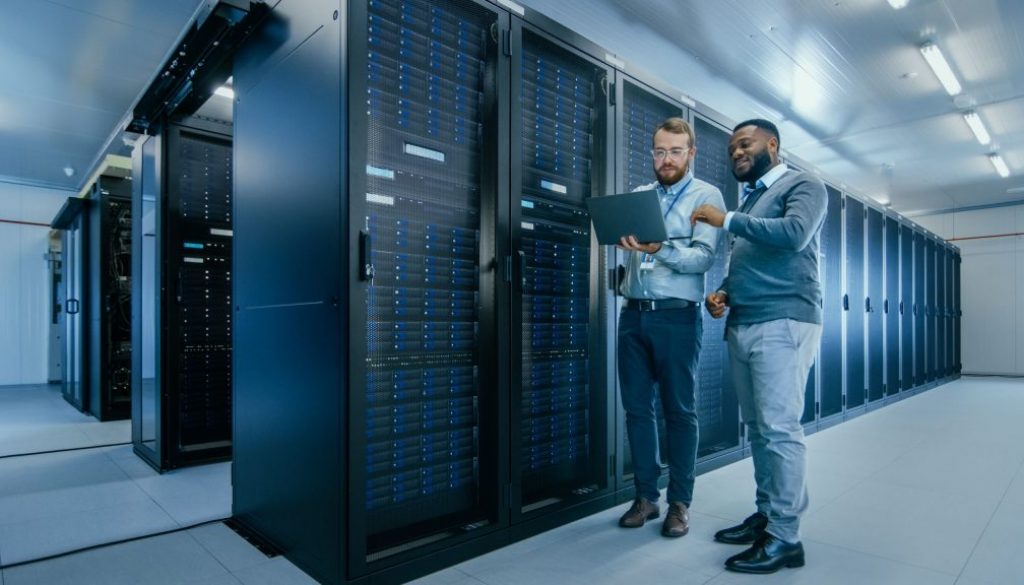
One of the main elements in any IT infrastructure is of course the data centre: a component which has now become essential for any type of commercial business, from small and medium enterprises to multinationals.
Thanks to these devices, huge quantities of vital information can be transmitted. The fact that they play such a central role in production processes and generate huge energy consumption, motivates company managers wishing to make their IT infrastructure sustainable to start the conversion.
There are currently several different solutions that can help companies become greener but there are two main areas where substantial changes can be made in order to reduce energy costs resulting from data centres: operations and planning.
By making some simple operational modifications, the general efficiency of a data centre can be improved. A good example is ‘Smart Tech’ monitoring and the use of predictive sensors.
Another important tool for improvement is artificial intelligence which, if correctly used in air conditioning systems to control the temperature inside the room housing the data centre, is able to regulate the amount of energy required to ensure that the equipment is adequately cooled, while avoiding wastage.
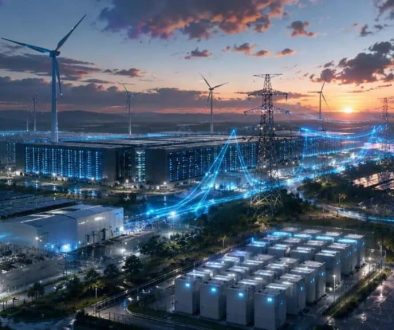
Other ad hoc strategies aimed at optimising data centre energy efficiency are currently being explored, such as: the use of recycled materials and reconditioned water for cooling, although these are still at an early stage. What really makes a difference however, is the choice of green energy sources, eg wind power, or energy generated using the waves of the sea or biomasses, as well as geothermal and solar power.
Creating a local sustainable IT infrastructure
In order to build a sustainable IT infrastructure, it is essential to choose latest generation technological solutions. Research in that area has made undeniably huge progress recently, with many excellent solutions now available on the market for every kind of business.
Nevertheless, it should be emphasised that the energy revolution must be accompanied by other smaller and more ‘local’ aspects. Intervention regarding important elements like data centres is certainly of great benefit to the environment, but reducing to a minimum the energy consumption of individual devices like PCs or laptops used daily in offices and homes, has a decisive impact on sustainability.
For example, replacing old hard disks (HDD) with new higher performance solid state drives (SSD), can increase operating speed tenfold and improve the energy requirements of individual devices, thereby considerably cutting costs.
Another advantage of this solution in its capacity to optimise and extend the life of hardware components already in company possession. Updating rather than replacing means obtaining a considerable improvement in performance without having to meet huge costs.
It is also important to bear in mind that in many countries, including Italy, specific financing and subsidies are available to those companies wishing to invest in eco-sustainability. Considering that these initiatives apply to many different sectors including IT, it is worth exploring all the available opportunities.
Translated by Joanne Beckwith