Omnichannel retailing and the digital revolution: how to sell on all platforms
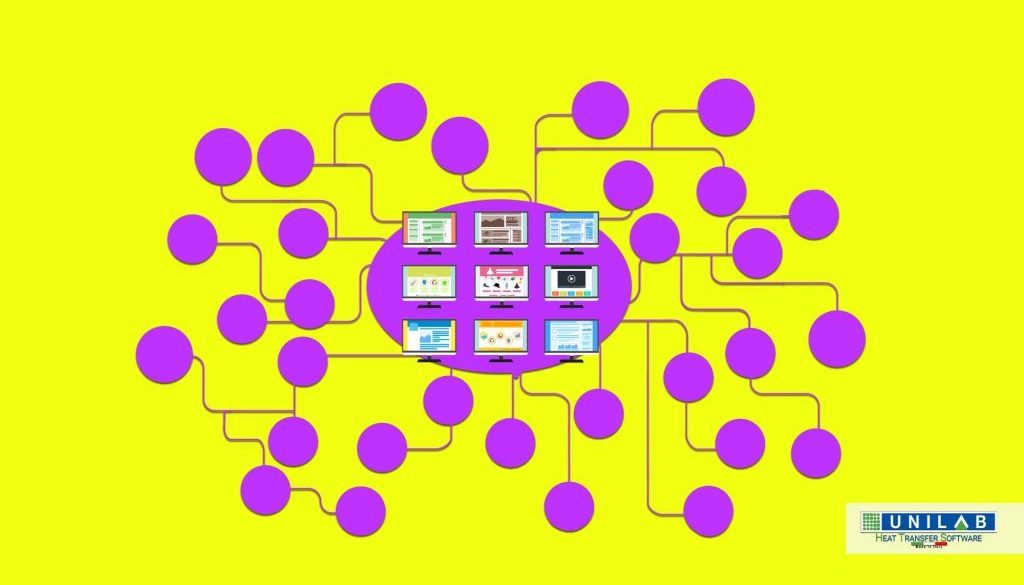
Omnichannel retailing represents the present as well as the future of sales. Adopting this strategy means putting the client at the centre of everything, by offering them a service which allows for the interconnection of all the different company channels, so that the client can transfer seamlessly from one channel to another, without interruption.
This system is gaining popularity among leading companies, but smaller businesses are also starting to realise its relevance. It is bringing about an authentic digital revolution, destined to change the shopping habits of almost every user forever.
Differences between omnichannel retailing and other sales strategies
In order to understand the dynamics of omnichannel retailing, it is essential to distinguish between its characteristics and the sales techniques previously used by shops up to now. In fact, it is quite commonplace to find certain terms being used wrongly, leading to confusion between omnichannel, multichannel and crosschannel.
The single channel experience is the most common. A good example would be a traditional shop: you go inside and buy the goods directly in loco and take your goods as soon as payment has been made.
Multichannel means that, in addition to the physical shop, there is also a digital store where the client can make purchases and have the goods delivered straight to his home address.
In the crosschannel strategy, there is interaction between online and offline channels. For example, a client can purchase a product from the online store and go and collect it from a physical shop.
Now that we have pointed out the differences between the various sales strategies in more detail, it becomes apparent how omnichannel retailing represents a true revolution in sales. Its main purpose is to integrate a number of different channels by ensuring that interaction between them is quick and smooth.
The user’s buying experience changes drastically with this strategic approach. One practical example may be the latest fast food restaurants which offer the client a choice of several different ways to order their food.
They can choose from a menu at the counter, while interacting with an assistant and pay online with a card; or they can create their own order using the special apps provided and then pay at the checkout when they collect their order; alternatively, they can have their order delivered to their home.
Advantages and disadvantages of omnichannel retailing
The benefits to companies of omnichannel retailing are many, but the complexity of the organisational and strategic planning required can act as a deterrent to some companies. Below is a list of pros and cons associated with this sales strategy.
Among the advantages for a company are:
- The chance to create a more accurate picture of the type of clients that use the services, creating demographic and psychographic profiles which will help improve targeting;
- There are no barriers of time or space, omnichannel guarantees that the company can operate anywhere, anytime;
- Relationships between clients and company will be more solid;
- Sales will increase thanks to the accessibility offered to the public.
The main obstacles that companies may meet during the implementation of this strategy may be:
- A considerable increase in clients’ expectations. The whole interconnection system must work in unison with the same efficiency across all channels. Users will always expect top level quality of service, whatever their choice;
- Staff members, especially those involved in sales, could be somewhat diffident towards the new methodologies (so specific staff training will be required);
- The real benefits of omnichannel retailing can only be seen in the mid- to long-term, a factor which could prove problematic for some companies.
Translated by Joanne Beckwith