The Internet of Things in Italy: a revolution in the making
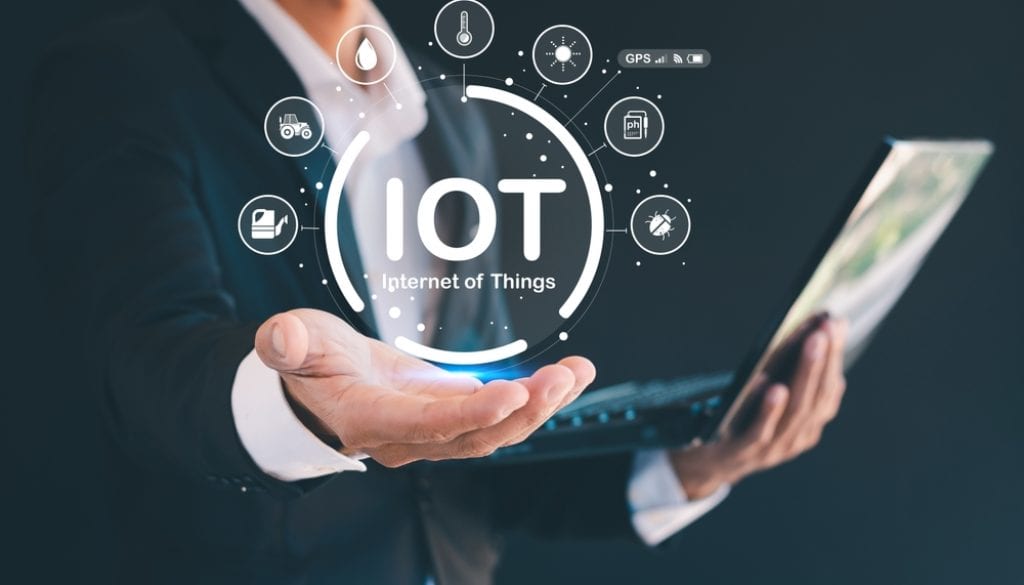
In recent years the Internet of Things has become increasingly relevant to Italy’s economy and society as a whole, emerging as a strategic element in the country’s digital transformation. Each connected item becomes a cog in a smart network, able to gather data, interact with other devices and generate market value in a range of contexts, from industry to mobility, in homes and in cities.
In 2024, the Italian IoT market reached a total value of almost 10 billion euros, with the number of connected devices exceeding 150 million (meaning that on average each citizen owns at least two active IoT devices). This increase reflects a growing affinity for the consumption and use of smart technologies as well as the increasing need to face new challenges to maintain the sustainable development trend.
Sectors driving the market
The Italian IoT scene is varied, with many industrial and social sectors driving growth. One of the most relevant sectors is the connected automotive industry, which accounts for a sizeable market share. Modern vehicles (fitted with sensors, 4G/5G connectivity, GPS localisation and predictive maintenance systems) are standard features in new vehicles. This has led to wider use of integrated IoT solutions in vehicles, for both safety purposes and advanced driver services.
Another area in rapid expansion is its use in the utility sector, especially for smart metering. Smart gas, water and energy meters permit not only remote meter reading, but also optimisation of consumption and the identification of system breakdowns in real time. The drive towards the digitalisation of energy networks is part of a wider sustainability context and the promotion of a more efficient use of resources.
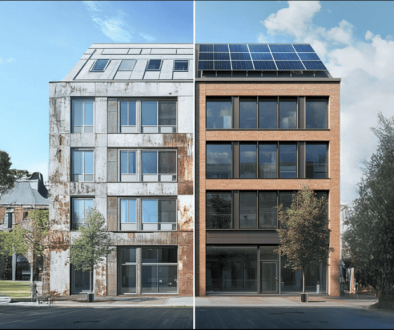
The smart building sector is also recording a positive trend. In many buildings ( both residential and business premises), the number of connected systems for the management of air conditioning, security, illumination and energy efficiency is rising. The automation of buildings and a growing awareness of energy saving strategies are incentivising the introduction of these technologies.
In the industrial world, the smart factory has emerged as a key scenario. Manufacturing companies (especially larger ones), have launched numerous projects based on the IoT to monitor production, prevent system breakdowns, improve internal logistics and favour machine interaction as part of Industry 4.0. Despite that, take up of this technology seems slower among small and medium enterprises, who are often constrained by factors such as cost, technical complexity and a lack of specialised skills.
Smart cities complete the picture, with their greater focus on smart public illumination, waste management, sustainable transport and environmental monitoring. Several Italian municipalities have already implemented projects of this type, contributing to improve the quality of urban life and reduce the environmental impact.
The Internet of Things in Italian daily life: the smart home
On the consumer front, the smart home represents one of the most dynamic markets. Devices such as smart thermostats, videocameras and wi-fi monitoring, voice assistants and domotic sensors are rapidly becoming more popular, transforming homes into increasingly automated spaces which can be controlled remotely.
This trend is driven by citizens’ growing familiarity with digital technologies and their desire for comfort, security and controlled consumption. Now that a significant proportion of the Italian population possess at least one smart device, it is clear that the IoT has already concluded its experimental phase and is now an established part of daily life.
Difficulties with Transition Plan 5.0
Despite the positive outlook, some structural obstacles remain. One of the main issues is the slow roll out of Transition Plan 5.0, aimed at incentivising the adoption of digital, eco-compatible technologies inthe Italian manufacturing sector.
This new plan should be a natural continuation of the previous one (Transition 4.0), with greater emphasis on sustainability and the integration of IoT, artificial intelligence and renewable energy sources.
Nevertheless, the amount of resources so far reserved by companies in the form of tax credits is still marginal in terms of general implementation. There are many reasons for this slow start which include:
- a lack of regulatory clarity;
- difficulty understanding the necessary technical requirements;
- a general slow down in investment by SMEs.
Most companies have shown that they are aware of the incentives, which have played a crucial role in the activation of previous Internet of Things projects in Italy. The absence of a clear, consistent fiscal policy risks further delaying industrial innovation, especially at a time when competitiveness requires greater reaction speeds and the ability for technological adaptation.
The integration of artificial intelligence: a still untapped potential
The IoT has the greatest transformative potential when it is integrated with artificial intelligence. The combination of connected devices and smart algorithms enables not only the gathering of data but also its interpretation and predictive use. In industry, this tranlates into the opportunity to optimise production processes, predict system breakdowns, customise products and reduce wastage.
In an urban context, AI and the IoT can operate together to regulate traffic in real time, improve public safety, optimise the energy consumption of buildings and much more. Nevertheless, this synergy is still largely unexplored in Italy. Companies often stop once they reach the first level of digitalisation, implementing IoT solutions without fully exploiting the analytical capacity of artificial intelligence.
In order to unblock this potential, a favourable ecosystem is required, including targeted investment, specialised training, interoperability between systems and clear, safe data governance. The combination of AI and the IoT could represent the key to a new generation of smart, sustainable, customised services.
Enabling technologies: LPWA and 5G
Connectivity forms the technical foundation of the IoT. Without reliable, scalable and low consumption networks, largescale use of connected devices would be impossible. In the last few years, Italy has recorded an expansion in IoT connections on smartphone networks, as well as growth in alternative technologies such as LPWAs (Low Power Wide Areas), which enable communication over large distances with very low energy consumption.
While not yet available across the entire nation, 5G offers promising benefits in terms of reduced latency and connection density, making it ideal for complex industrial contexts, autonomous vehicles and connected robotics. Network infrastructure is increasingly becoming a competitive factor in the development of smart services and the transformation of manufacturing sectors.
Future outlook: unlocking the potential of the Italian IoT
Looking to the future, Italy’s Internet of Things needs a coordinated drive to overcome its current limitations and take advantage of the opportunities offered by digitalisation. Companies’ technological requirements must be supported, especially in the case of small and medium enterprises, who are the backbone of the Italian economy.
First of all, a clear, shared strategy is required, involving both the public and private sectors, with specific objectives and adequate resources. The promotion of local ecosystems for innovation, the simplification of regulations and the strengthening of digital competences are all essential components.
Furthermore, the spread of a culture of sustsainability and the effective use of data gathered by smart devices could make the IoT a key tool for dealing with environmental, social and economic challenges in the coming years. The journey has begun, but real improvements in quality will require vision, cooperation and courage.
Translated by Joanne Beckwith