Last years’ HVAC trends according to LG
HVAC trends seen in 2021 are closely linked to the progression of the pandemic, which has gripped the world for over 2 years. The connection between Covid-19 and systems produced in that sector was largely dependent on their usefulness in counteracting the spread of the virus.
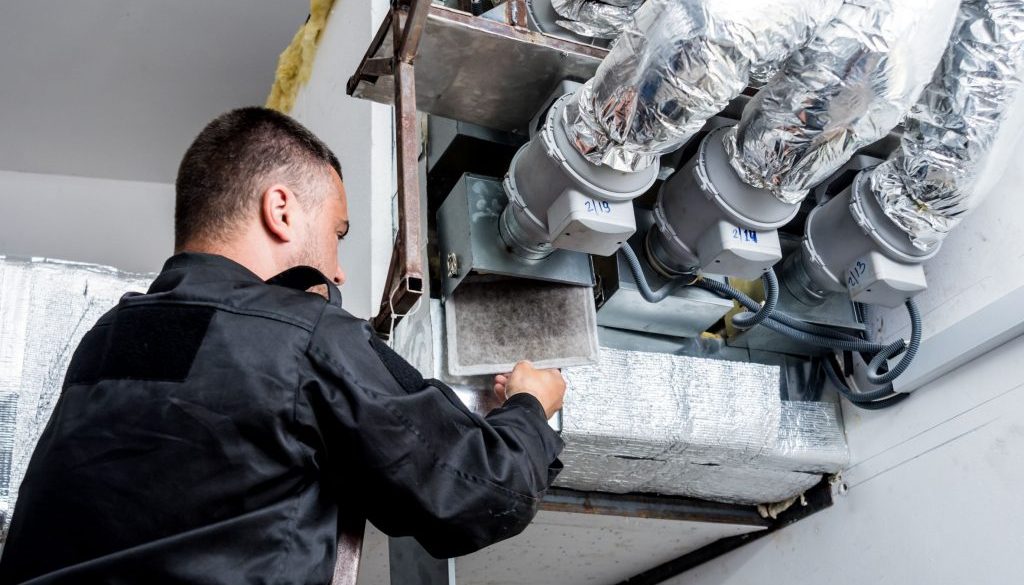
In order for this to be successful however, the apparatus must be in perfect working order, so as to guarantee the most efficient air replenishment cycle possible. This is why most buildings equipped with HVAC systems are currently carrying out specific updating. Where these technologies are not present, measures have been introduced to incorporate compliance with social distancing rules.
The most significant HVAC trends in 2021
LG presents the latest HVAC trends for 2021 in an interesting article (view here), including the most significant developments across the air conditioning sector which will have the greatest impact in the immediate future.
At the top of the list is ventilation in public buildings such as schools, offices, cinemas, theatres, and shops etc., in many types of buildings, designed according to capacity and energy efficiency.
Social distancing rules have literally revolutionised the ordinary people’s daily lives around the world, obliging them to focus on different issues, such as air cleanliness in offices where workers spend a large proportion of the day.
As recent studies show, just by installing powerful HVAC systems which can guarantee good ventilation in public buildings, the risk of contagion can be reduced by up to 70%.
Another feature of 2021 HVAC trends involves the supply chain. The pandemic has hit many sectors involved in distribution, leading to a significant fall in sales and a consequent backlog of unsold goods in warehouses.
This situation has also affected the HVAC sector, which is preparing to redefine supply strategies, in preparation for an increase in demand forecast for the coming months. According to 42% of manufacturers, a more flexible approach is required in order to ensure a quick but solid market recovery.
Customer experience is the last point discussed in LG’s classification. According to research, over 86% of HVAC sector clients said that they would be prepared to pay more in exchange for a more secure, more modern and efficient customer experience.
Among the most striking examples of this trend are phenomena such as contactless payment methods and new methods for monitoring and maintaining systems.
Implementation of smart working and touchless
The Covid-19 crisis has led many businesses to turn to smart working and redefine their principles of production and staff interaction. If, as is expected, remote working becomes a regular part of daily life, private homes will need smart HVAC systems.
This is the reason why remote working is expected to increase demand for VRF solutions and optimised zone control, designed to meet the needs of those working from home. Of course, this can only happen via the use of new technologies created ad hoc.
On the subject of innovative technologies to combat Covid-19, touchless applications are also of note. Social distancing, especially in enclosed, crowded environments, can be supported not only by the ventilation of rooms, but also by using movement sensors, vocal recognition programs and distance sensors.
These solutions are of great interest for HVAC systems, as they can be installed almost anywhere with minimal disruption. They can also be used in customised systems, specially created to meet the needs of specific clients.
As is clear from the points mentioned above, the 2021 HVAC trends are therefore all aimed at technological development and their shared objective is to increase the comfort of individuals, while limiting the risk posed by the coronavirus.
Translated by Joanne Beckwith