Consumer purchasing recovery with hi-tech (from home)
The rise in consumer purchasing in the hi-tech sector recorded in Italy since lockdown highlights an increasingly clear trend towards the purchase of smart devices for the home. The population is effectively converting to the idea of improving their homes using latest generation solutions.
The data gathered and presented to the IFA (Internationale Funkausstellung Berlin) is clear: in the month of July alone, expenditure on technological devices for domestic use increased by 4.5 %. This is a considerable increase, especially when compared with the 5.8% drop recorded in that sector in Europe.
Positive forecasts for future purchases
According to the scenario reflected by the data, these investments are an excellent sign of recovery, considering that in the first few months of the year, Italian citizens had seen their purchasing power decrease by an average of 1.4% due to the pandemic.
The forced closure contributed towards channelling hi-tech purchases, as people who were confined to their homes turned to entertainment systems and similar technologies in the hope of finding relief from a stressful situation.
The lockdown phase saw a dramatic increase in the sales of PCs, tablets, streaming keys, video games and consoles, freezers, ovens, air purifiers, air-conditioning and also mega TVs, smart TVs and home automation devices.
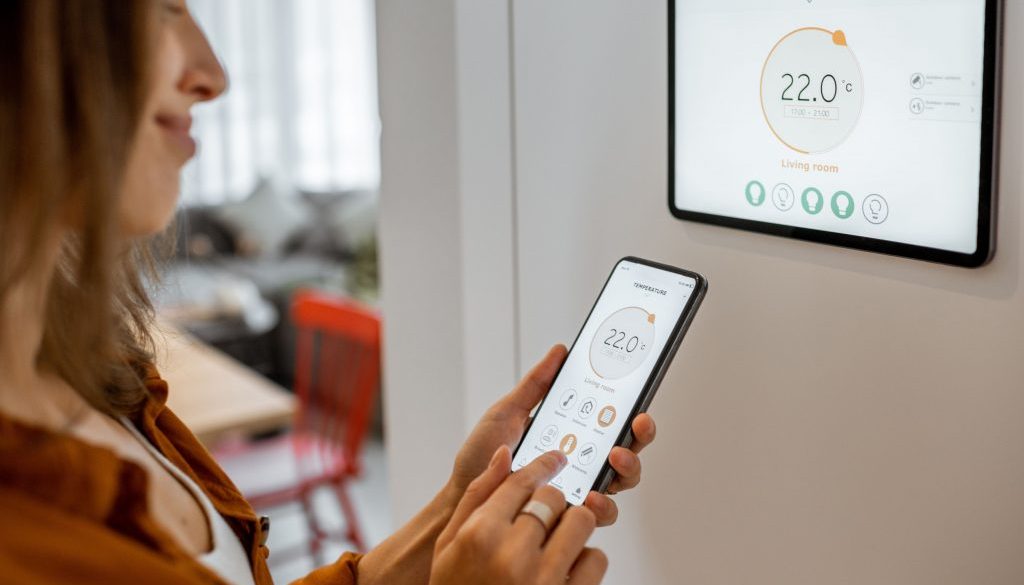
Some interesting new prospects for the future have opened up in the home automation sector. The aim is to simplify household chores via the use of IoT (Internet of Things) devices, which is another aspect that has had and continues to have a great impact on consumer purchases.
More and more Italians are choosing to invest in intelligent devices which can guarantee the smart management of their homes. The post Covid home is therefore becoming a technology receptacle which is connected 24 hours a day, paving the way for a new kind of interaction with the domestic environment.
The home environment is improving thanks to hi-tech
There is a tangible improvement in homes thanks to the recent hi-tech proposals. The Italian people’s purchases in this sector have focused above all on domestic appliances and consumer electronics. Two prime examples are smart washing machines and dishwashers, which can be connected to the most well-known voice assistants.
Using spoken commands, you can ask the washing machine to set the desired cycle, open the door to facilitate laundry loading if your hands are occupied, or use the machine’s internal sensors designed to select the best cycle according to the type of clothing to be washed.
This is an authentic glimpse into the home of the future, which will not be limited to just these time-saving examples. IoT devices are becoming increasingly easy to use and can now be incorporated into any kind of home.
One example is the indoor kitchen vegetable garden, with plant pots hanging from the wall, fitted with sensors to autonomously monitor the growth of the vegetables being cultivated. This is a genuine smart vegetable garden which informs its owner of its needs (such as water or compost).
It is quite curious to observe how a global pandemic is somehow having a positive impact on innovation. The increase in interest in the hi-tech home is an important signal which is fuelling hopes of a rapid recovery in other sectors too.
Translated by Joanne Beckwith