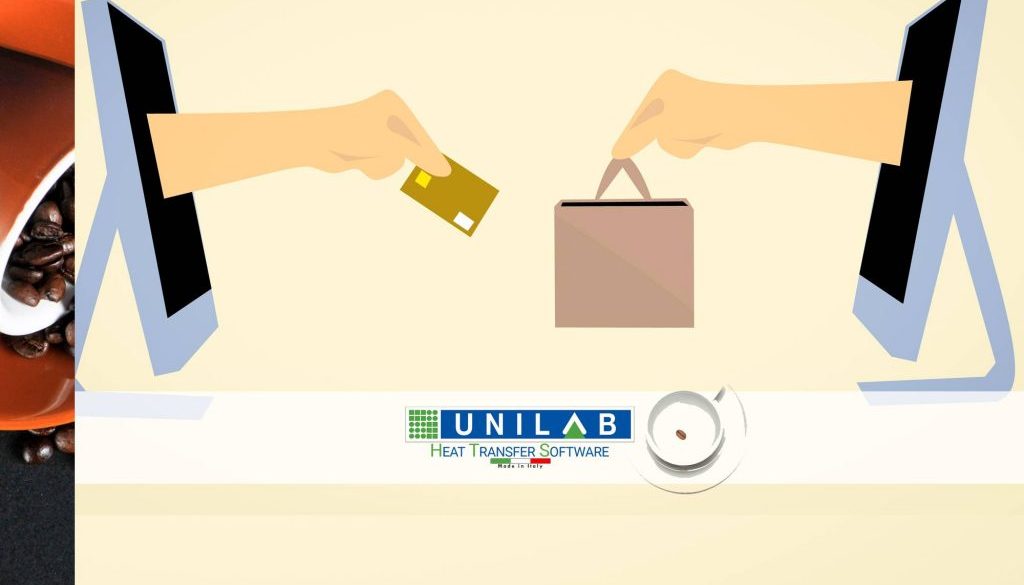
E-commerce: when it’s a good idea (and worthwhile) and when it isn’t
E-commerce presents an attractive opportunity for businesses. In Italy alone there are 30 million people who browse the internet each day from their pc or, more often, their smartphone. 60% of them go on to make online purchases. The online market has now exceeded a turnover of 20 billion euros.
As well as the generally buoyant market, there are other advantages to take into consideration, first and foremost the opportunity to sell without any limit on business hours. An online shop is effectively available 24 hours a day. By opening such a shop, it becomes possible to widen your client base considerably, as you cross national borders and build client loyalty thanks to targeted promotions and communications according to age group, purchasing preferences, city of residence and individual events (such as birthdays).
It also provides an opportunity to avoid the build-up of un-sold stock in the warehouse, as you can put it on sale as part of ad hoc promotional campaigns. Other important features include the security of payments – with electronic transactions it is impossible to receive counterfeit currency or to have to grant people credit – and it becomes possible to sell without the need for employees.
At first glance, it would seem that starting an e-commerce business always makes sense. There are undoubted advantages of course, but the costs must also be taken into account. Starting an online sales venture can turn out to be the right decision if, over at least the first 5 years, you are able to absorb the substantial costs resulting from significant investment in technical development, analysis and promotion.
Do not allow yourself to be fooled when comparing it to a traditional shop, generally recognised as involving a high level of costs. E-commerce also requires considerable financial outlay by companies who wish to start building that area of their business.
Among the main costs to be met are procedures related to setting up and using a VAT code, accountancy services, the payment of various taxes and, above all, the costs involved in the creation of a website and the necessary advertising (social networks, ads on search engines, email marketing campaigns).
It is unlikely, if not impossible, that the cost of just creating the site itself will be less than 5000 euros. There will also be charges for product placement, which can be estimated at around 30 to 50 euros for each one.
Another important consideration is SEO (Search Engine Optimization). With e-commerce, there are no rental costs or taxes to be paid by the owners of the business premises, but the online shop must be visible on search engines to a specific category of target users.
To get the best results in this area, it is essential to contact a team of professionals who understand the dynamics of Google and who, by carrying out careful analysis of the competition, are able to position the site among the top few places for specific searches.
That task alone entails monthly costs of several thousand euros and unfortunately, there are many business people who approach the world of online commerce without taking such aspects into consideration.
Another important point to bear in mind is the management of deliveries and customer care. Starting to sell online makes sense if you already have a trusted courier and you are prepared to allocate resources to communications with clients and the creation of chat bots for sending out automatic replies.
When faced with the question ‘Is it worth launching an e-commerce venture?’ we can answer affirmatively, providing it is based on a solid budget, flexibility and a well thought-out strategy. When, though, is it not worth doing? Above all, when you do not have a sufficient budget and when you are not ready to make a long term investment.
Another aspect worthy of reflection is the conviction that it will be possible to save a traditional shop by starting an online sales business. In such cases, there are other issues to consider, such as, for example, the quality and type of products sold.
Translated by Joanne Beckwith