Industrial IoT and the future of company sustainability
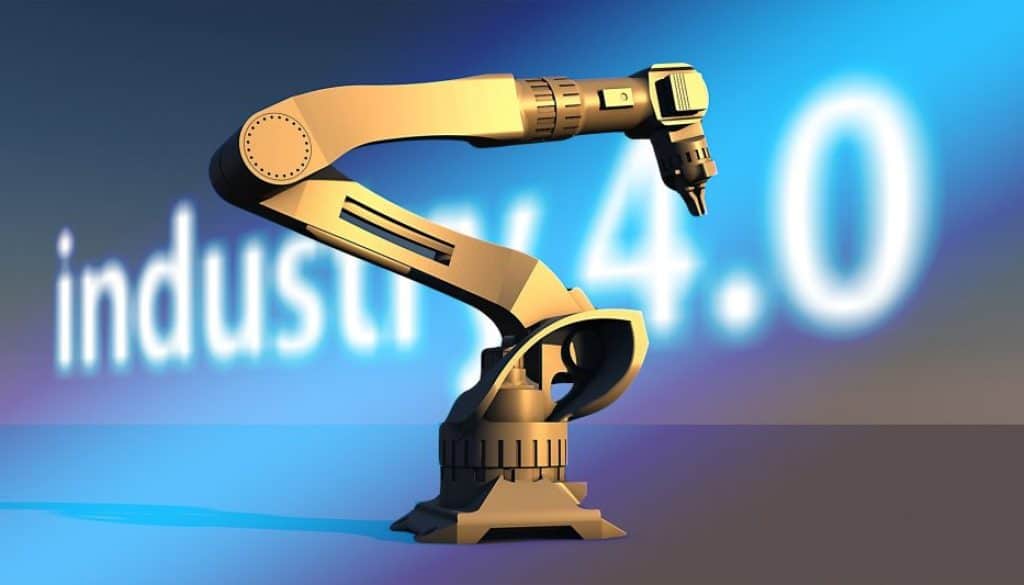
The introduction of industrial IoT solutions (Internet of Things for businesses) is set to be the driving force behind the transition towards more sustainable production in the immediate future. That was the conclusion of a recent study entitled ‘Billions of better decisions: industrial transformation’s new imperative’, which involved a cross-section of international companies from different sectors.
Around 96% of the company representatives interviewed firmly stated that they believed digitalisation will play a major role in facilitating this change: a response which shows that they have understood the genuine advantages new technologies can bring. Nevertheless, only 35% stated that they had already definitively implemented such technologies in their company.
The challenges of using the industrial IoT
From the survey results, it is apparent that one of the main problems faced by companies intending to use the industrial IoT, is related to understanding the practicalities of how to integrate new digital functionalities into various production processes.
While, on the one hand, every company needs to explore carefully which approach is best to make the changes effective and maximise the potential of digitalisation, on the other hand it is also true that production is not the only department involved in this change.
Intervention is also required in other areas, including:
- energy management;
- building improvement works;
- the use of new transport solutions.
Only if a company works contemporarily and gradually on all the aspects mentioned above will it be able to reap the full benefits deriving from the use of new smart technologies.
Furthermore, there is another significant challenge awaiting business-owners, connected to the initial costs of making the transition. Considering that switching to digital requires significant and costly initial investment, many still need to make the decision to go ahead with this upgrade.
Industrial transition and sustainability
Despite the elevated costs, there are many advantages of the industrial transition involving the use of the industrial IoT and according to 46% those interviewed, these aspects will play a crucial role in future competitiveness among different organisations.
Meticulous gathering of data during production will help businesses optimise their costs and reduce wastage. The information obtained will also provide useful support to company managers who will be able to take better informed decisions. This will result in:
- considerable energy saving;
- a reduction in harmful emissions;
- reduced environmental impact.
The production process will therefore become sustainable in all areas, which will have a direct influence on future earnings. With the right measures, companies will be able to recoup their investment in a relatively short space of time.
It is also important to remember that a company’s sustainability enhances its professional reputation, as this theme plays a crucial role in the investors’ choice of future business partner.
The combination of digitalisation and sustainable production will therefore add extra value to a business, greatly influencing its future commercial success.
Stimulating conversation is essential
The researchers who collected the important findings reported below, acknowledged that their primary objective was to stimulate debate regarding the role of the industrial IoT.
Discussing it is an essential step towards helping even the most undecided entrepreneur realise the scale of the benefits to be achieved by adopting smart solutions for their business. This change is in fact possible and they should not feel intimidated by either the financial or practical implications.
It is also worth remembering that there are many specialised partners a company can contact regarding the planning of all the necessary phases required to enable an industrial transition towards secure, efficient and economically viable sustainability.