Virtualisation: how Virtual Machines simplify a company
Nowadays, virtualisation & Virtual Machines are essential in order to optimise company resources. This becomes clearer if we start from an axiom, by remembering that on average, only 30 to 40 % of total server capacity is used.
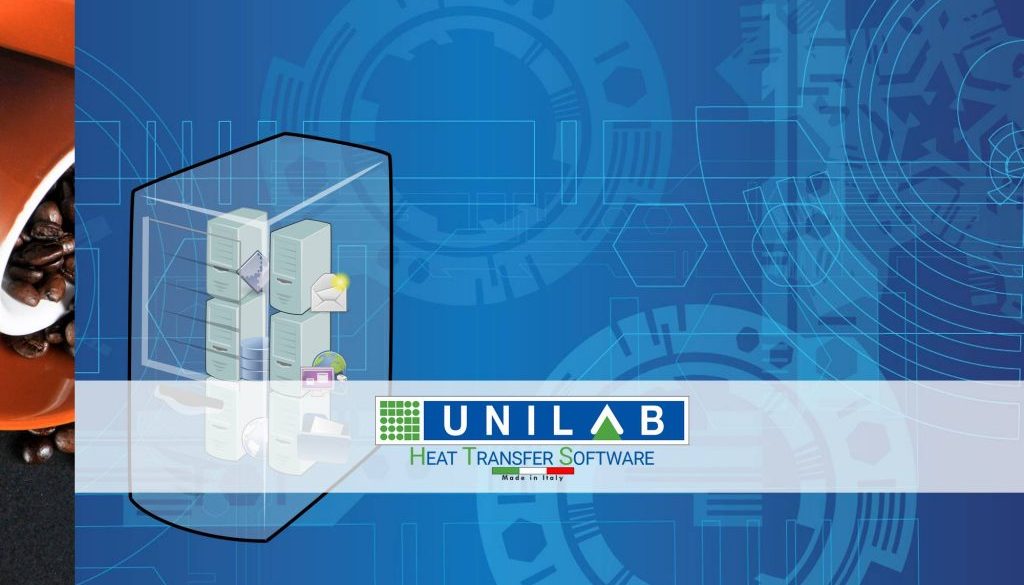
By using a single piece of hardware, it is possible to operate several systems contemporarily, thereby executing a range of tasks on guest operating systems using a host device. This allows for savings in terms of machine costs and also maintenance, without bringing any detrimental effect on your freedom to manoeuvre.
Server virtualisation brings other advantages too, such as a more homogenous use of servers. If we consider that the majority of x86 servers involve a low level of CPU use, company virtualisation means it is possible to expand services without having to purchase any new (physical) machines.
IF the same server is used to group together several different services, it becomes possible to invest in higher performance hardware, which brings improved general stability. Furthermore, it is possible to separate all the services that require different operating systems, enabling them to work from one machine, which can easily manage everything. Therefore, it is no longer necessary to use lots of small devices for now obsolete services.
By using a good virtualisation procedure, it is possible to move the devices onto a new hardware within a very short time span. Duplicates of the machines can be quickly created for testing procedures designed to check updates, in the knowledge that it is possible to go back if needed, without difficulty.
Another notable advantage involves savings on energy and maintenance costs. By implementing virtualisation, only one single piece of hardware needs to be maintained. It is also possible to reduce breakdown points and therefore to cut system costs.
Greater efficiency, space saving and reduced environmental impact
The advantages of company virtualisation also include greater efficiency, which is consolidated by the option to quickly transfer all the devices onto another server in case of breakdown, or of updating. This allows machine downtime to be drastically reduced.
Space saving is also fundamental, given that several servers are concentrated in a single piece of apparatus. This creates the opportunity of having smaller server rooms, leading to space saving as well as reduced costs.
The environmental impact is also smaller. By using virtualisation, less electrical current and less CO2, plastic and iron are used. Savings can be made on the costs of recycling and disposal of hazardous waste.
Finally, it is also possible to preserve operational continuity and optimise Disaster Recovery plans.
Thanks to the presence of constantly updated snapshots, activating backup procedures becomes simpler and faster, with obvious advantages for accessing company data in case of technical problems.
The idea of virtualisation, despite the advantages mentioned above, is often met with scepticism among business owners. This is linked to the notion that a virtualised system may turn out to be slow and incompatible, which in reality is not true at all. If we take a closer look at the services provided, it is clear that performance levels remain unvaried.
In the direction of continuous improvement, Virtual Machines are used in Unilab for special projects: this allows us to deliver top-notch important updates and share them with customers in real time, giving them the ability to view them in a click.
Instead of waiting for new setups to be released, delivered and then debugged and checked, we will give you direct access to a virtual machine with your software. As soon as we change something, you’ll see it in real time, and you will be able to check and report it to us, thus significantly reducing feedback time & consequent modifications deriving from it!
Translated by Joanne Beckwith