


Microfin tubes: are those always necessary and convenient?
Microfin tubes are widely used as enhanced surfaces: but are they always convenient?
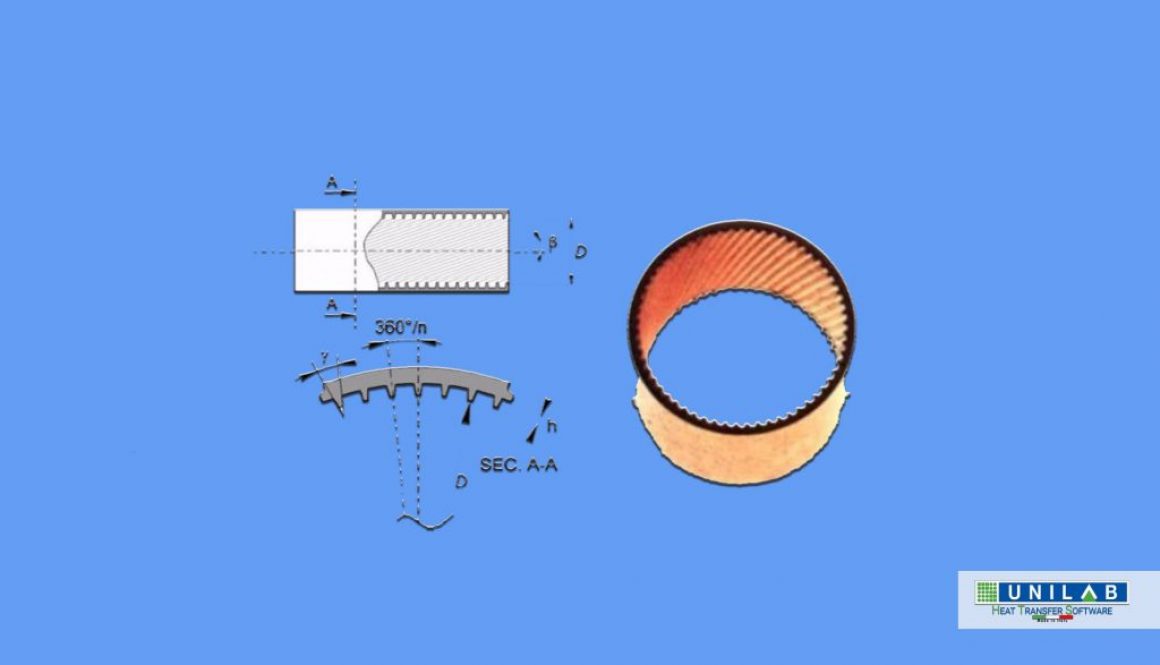
Microfin tubes are widely used as enhanced surfaces: but are they always convenient?

Let’s close this brief analysis of Heat Pipes with this 3rd technical article on heat transfer limits
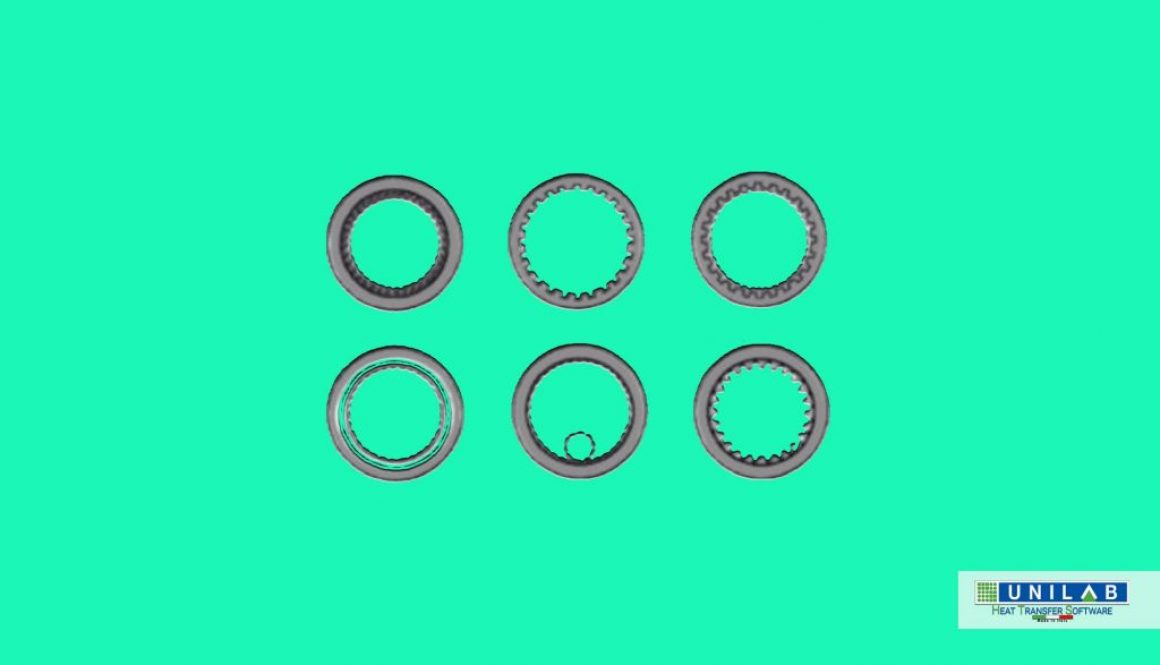
In a previous article we introduced and described, from a general point of view, the Heat Pipes. Now, we want to present some general aspects concerning on the operating principles of these devices.

The heat pipe is a device of very high thermal conductance. Let’s find out the story and characteristicst behind this particular type of heat exchanger

The decision to purchase a Shell and Tube Heat Exchanger (Tubular Heat Exchangers) or a Plate Heat Exchanger is usually very complex.

The application of fluids with nanoparticles in refrigerating systems is potential way to improve the energy efficiency and reliability of HVAC&R facilities
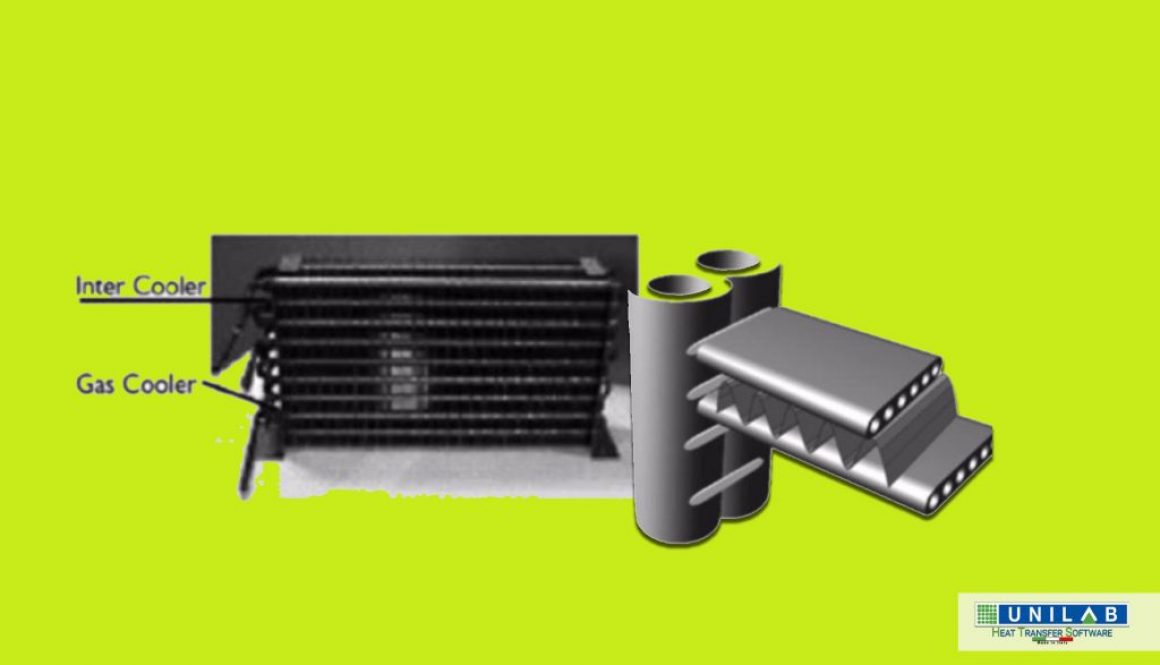
Read about the substitution of the condenser with a gas-cooler, where the carbon dioxide is cooled without phase change process.

Carbon dioxide was widely used in refrigeration machines before being substituted by CFCs. Read why it’s coming back in fashion.

Across the world there are over 600 million hydrocarbon domestic refrigerators. Let’s find out what hydrocarbons are and why they are so widely used

Even nowadays, the threat represented by the global warming alarms the scientific community. Over the years, the refrigerating and……
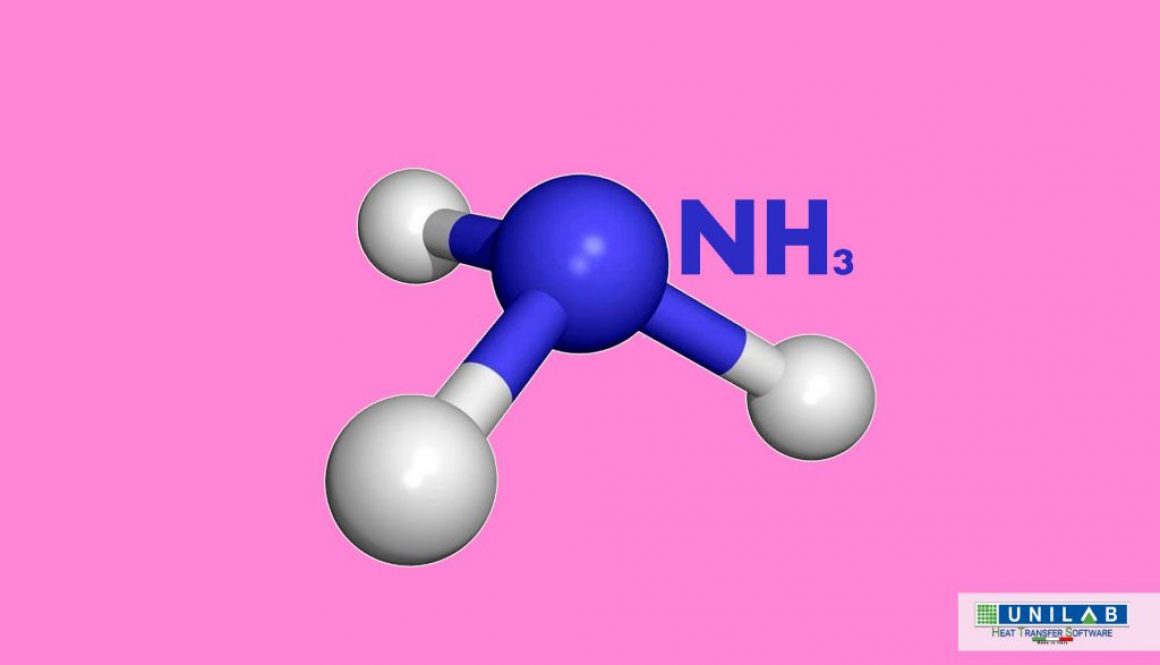
Ammonia (NH3) is the only natural refrigerant being continuously used in industrial refrigeration since its first application. Read more.

In many refrigerating applications, heat is transferred to a secondary coolant, which can be any liquid cooled by the refrigerant and used….Read more
This website uses cookies to enhance your experience. Some are essential for site functionality, while others help us analyze and improve your usage experience. Please review your options and make your choice.
If you are under 16 years old, please ensure that you have received consent from your parent or guardian for any non-essential cookies.
Your privacy is important to us. You can adjust your cookie settings at any time. For more information about how we use data, please read our privacy policy. You may change your preferences at any time by clicking on the settings button below.
Note that if you choose to disable some types of cookies, it may impact your experience of the site and the services we are able to offer.
Some required resources have been blocked, which can affect third-party services and may cause the site to not function properly.
This website uses cookies to enhance your browsing experience and ensure the site functions properly. By continuing to use this site, you acknowledge and accept our use of cookies.