CO2: the technologies that will eliminate emissions
CO2 emissions have, for many years now, represented one of the greatest threats to the earth’s climate and the environment. Scientists continue to emphasise the need to introduce some targeted measures and it seems now that Europe has finally started to respond to these appeals with some genuine action.
Since 15th October last year, the EU has given each member state the opportunity to present its own plan of action, including new technologies to combat the current climate crisis, with the aim of reaching the objective of Net-Zero Emissions (net carbon footprint of zero) by the year 2050.
55 of the most promising projects selected
Over 200 projects for the reduction of CO2 have been presented, involving many different sectors, particularly those regarding energy, construction, industry, transport, food and land use. Among these, 55 were selected; the ones considered most likely to accelerate the economic recovery and innovation cycles in order to combat climate change.
According to recent estimates, these projects have the potential to grow trade in goods and services for a total of 790 billion euros per year and can reduce the overall quantity of carbon dioxide in the air by up to 871 million tonnes. Furthermore, they should create over 12.7 million new jobs by the year 2030.
On paper, the figures are very encouraging, but many of the proposed technologies are still at an embryonic stage and need to be developed quickly. Therefore, greater focus on development and implementation will be required throughout Europe if this green revolution is to become truly significant.
Technologies to combat CO2 in various sectors
Member states are focusing on a range of technologies in order to combat CO2 emissions efficiently over the next thirty years. Some of these already exist, while others are already at an experimental phase. They can be divided into six main approaches:
- Hydrogen: mainly used in transport, but is now also starting to find applications in many industrial sectors;
- Giga-factories: their purpose is to produce clean technologies;
- Electrification: implemented in the transport sector to help lower vehicle pollution levels and also in smart building;
- Energy distribution networks;
- Bio-economy: with the aim of reducing the environmental impact of the entire production and distribution chain in the agriculture sector;
- Ccus (Carbon capture and utilisation): systems for the recycling and storage of carbon dioxide.
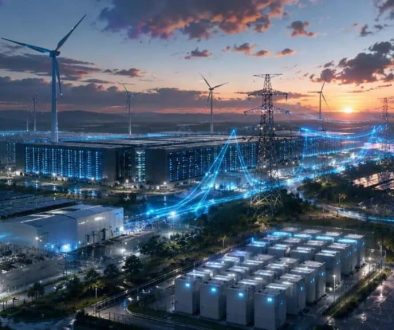
Some more established examples with applications in many different sectors include new generation solar panels, innovative solutions to increase the energy potential of offshore windfarms and the use of natural building materials in construction, such as wood etc.
The use of Heat pumps and geothermal systems in heating is increasing. Engines with extremely high energy efficiency are being designed for industry 4.0, as well as new methods of increasing the circularity of plastic materials.
Building design is moving towards smart innovation (with the integration of intelligent engineering systems and sensors), in order to improve the energy efficiency of buildings.
A significant contribution to the development of technologies to limit CO2 emissions is being made in the transport sector, which is already experimenting with new methods of propulsion for locomotive vehicles based on the use of hydrogen cells, especially in transport designed for public and industrial use, More and more factories are focusing on the development of electric cars and the production of lithium ion batteries to incentivise green transport. Self-driving cars for shared use are also being developed, so that the number of cars in circulation can be reduced by at least 30%.
Translated by Joanne Beckwith