Edge Computing v Cloud Computing
The term Edge Computing refers to a technology that according to some experts, could signal the end of cloud computing which a decade ago, began radically transforming the world of company data centres, leading to a drastic fall in the size of their workloads and even, in some cases, substituting them completely.
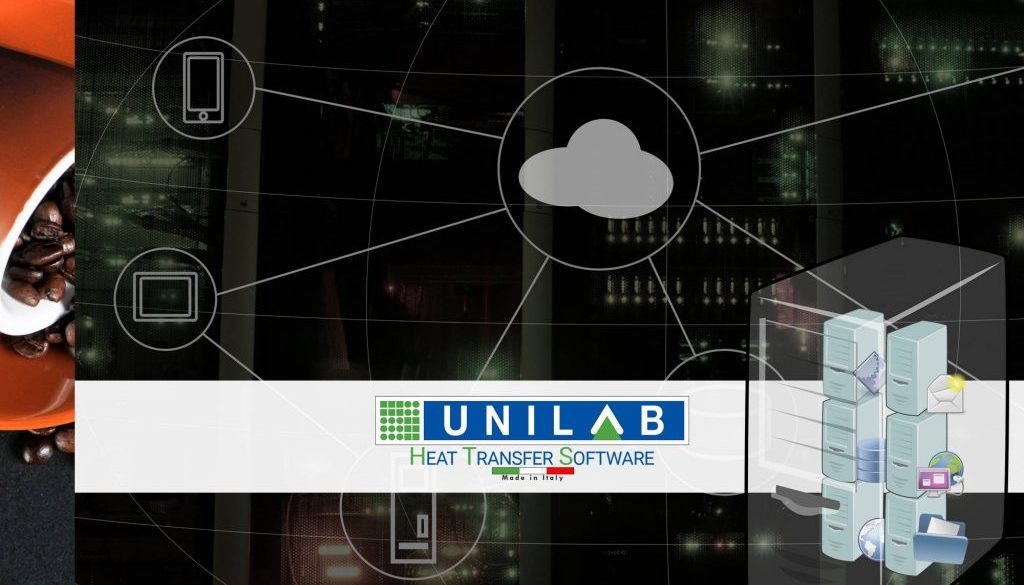
How exactly does Edge Computing work, or rather what is this paradigm which could cause such a demise? The system is based on giving users the option to create a decentralisation of the ‘cloud’, via the liberation of time sensitive apps which are closely dependent on remote data centres.
These apps are given the capacity to carry out data processing directly on site, thanks to the use of local computing resources. In brief, everything happens within a short distance of the location where the information is collected via devices such as POS, sensors and security cameras.
On a macroscopic level, this kind of system is known as an IT architecture and has two specific features: distribution and decentralisation. More precisely, it may be defined as a network of micro data centres capable of processing data locally, in order to transmit it to a central data centre later.
The systems described above illustrate how the Internet is becoming ever closer to our daily lives in the physical world. As regards the definition of Edge Computing, we can find all those ICT resources which, as mentioned above, are located and operated in the immediate vicinity of the user or, in the specific case of the Internet of Things, in the immediate vicinity of a data source.
It is essential to emphasise the differences compared to the management of traditional data centres. Edge Computing operators, especially IoT project workers, must be stationed in remote data centres and do not require IT support staff.
Another difference with this approach is the life cycle of the solutions themselves, which are longer as far as the programming phase and implementation procedures are concerned. Also of note are the ease of management and an enhanced level of security guarantees.
As to the theory that this infrastructure paradigm may ‘devour’ the cloud, several hypotheses have been put forward. One school of thought highlights the almost certain disappearance of the cloud in the short term, while another point of view suggests a possible co-existence of the two systems.
Real time interaction is very important, but it should not be forgotten that, in cases such as the analysis of Big Data (fundamental for Industry 4.0), only the centralisation of sources typical of cloud allows the best results to be achieved. When the need to analyse large amounts of data does not arise, Edge Computing may constitute the best solution.
From the virtual to the physical world
The transition described above, which makes it possible to move from an essentially virtual network into the physical world, has generated a sizeable amount of data on the periphery of the net. In this scenario the information is processed in near real time or in some cases even in real time, using intelligent devices in Edge Computing connected to cloud which have now reached their critical phase of maturation.
With this increase in quantity, the opportunities for application have multiplied, spreading to areas such as business, manufacturing industries and healthcare. It is no coincidence that the transition towards Edge Computing is considered by the well-respected market analysis firm Gartner to be the fifth most important technological trend of the year.
Companies must therefore be ready to respond, especially if their area of work involves the heavy use of IoT devices.
Translated by Joanne Beckwith