Reflections on the EU’s energy strategy: improvements to be made
The EU’s current energy strategy features some strong and some weak points. This inconsistency is mainly due to the insufficient effort invested by the majority of countries who signed the Paris Agreement in reaching decarbonisation targets.
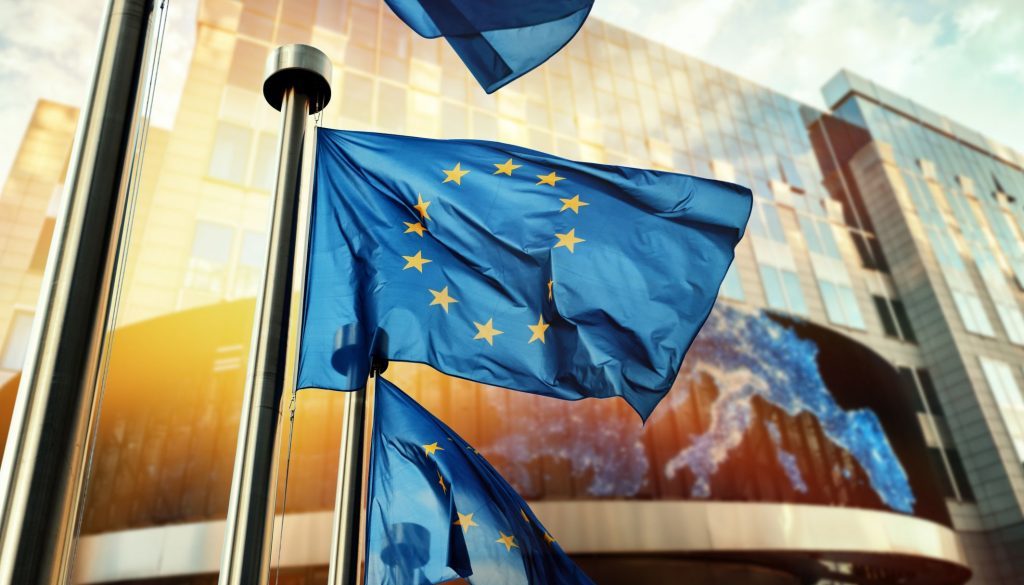
The objective of Europe’s so-called Green Deal is that the 27 European Union member states should achieve climate-neutrality with net zero greenhouse gas emissions by 2050, while reducing the economic imbalances between the various states.
Despite the fact that the current climatic situation means that immediate results are required and the different states need to be fully aware, it is a difficult challenge which can only be met through close collaboration.
Use of alternative energy sources
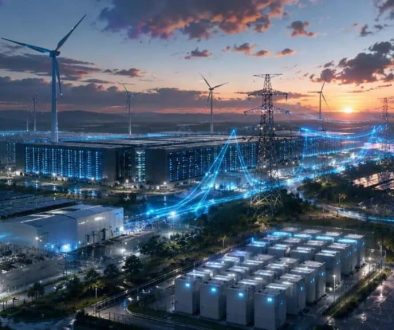
One of the central points which form the basis of the European agreements on climate, relates to research into alternative energy sources. European authorities have decreed that all signatory nations should aim to make 20% of their domestic energy production derive from renewable energy sources.
While several countries have recorded an increase in green energy production (with wind power the leading source), there are still several governments that favour energy generated by gas combustion.
Some estimates predict that this will remain the scenario for several years in those countries where coal mining continues to play an important role. An increase in demand for fossil fuels is even expected, due to the low production costs.
This situation is a warning bell which could lead to delays in reaching the objectives set out in the Paris Agreement. Europe must therefore intervene and take steps to tackle the problem, using more effective measures and sanctions.
In January this year, the EU tried to request the suspension of coal production in states like Germany and Poland, which are among the most active in that sector, but with very few results. In the latest research on energy consumption (from 2018), the data shows a negative trend, with fossil fuels still dominating the energy market.
The EU energy strategy has the wrong focus
Green energy should not be the only focus of the EU’s energy strategy. The Green Deal is in fact a comprehensive plan of action, including over 50 measures to combat the carbon problem in different ways.
According to analysts, alternative energy generation is moving in the right direction. Wind and solar power, for example, have now become commercially accessible to all and exploitable at a relatively low cost. The real challenge is therefore to raise awareness among end users.
The EU’s main objective should be to concentrate on generating demand for clean energy in industry, especially in the transport and aviation sectors. These are the areas in which the highest levels of harmful emissions are produced, against which immediate measures need to be taken.
The energy transition in these sectors has slowed over the last thirty years, perhaps due to Europe’s inability to impose appropriate restrictions on big industry. However, climate change is progressing all the time and unless immediate action is taken, the future looks bleak.
Positive aspects of the European effort
Despite some mistakes along a tortuous route, it must be said that the EU energy strategy is among the most efficient in the world. No other continent is investing as much in the fight for decarbonisation as Europe and this sends out a very positive message.
The United States’ return to the Paris Agreement is a good example of how the European Union is leading non-European states towards the achievement of a more sustainable energy production, as a way of safeguarding the Earth’s delicate environmental balance.
Translated by Joanne Beckwith