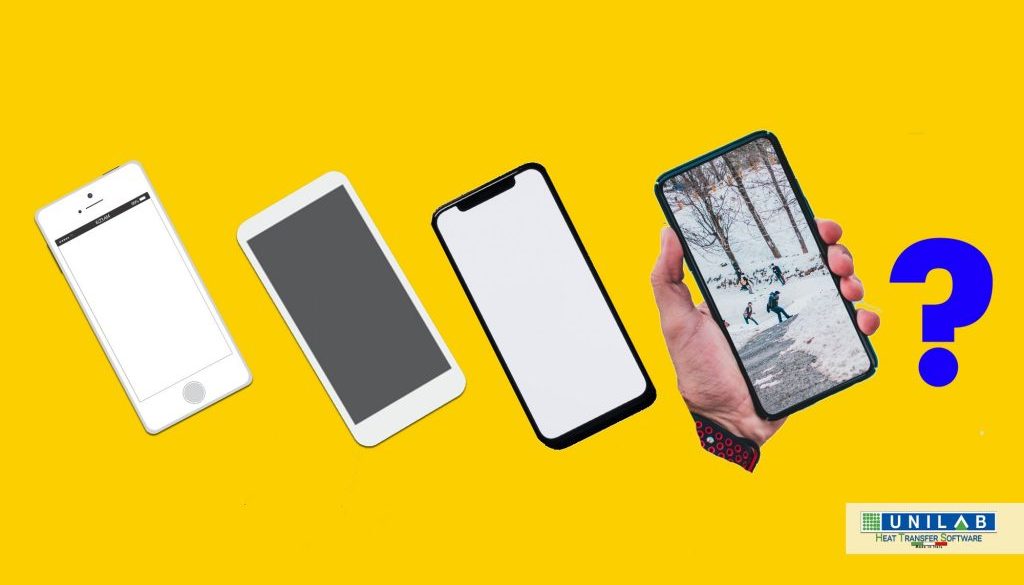
Smartphones and innovation: is the market really saturated?
It would seem that over the last two years the smartphone market has reached a point of absolute saturation, with a remarkable decline in sales. How did we get to this point? Can we expect a future upturn, or is the current decline irreversible?
The data relating to the saturation of the smartphone market
Some important research agencies have carried out in-depth studies into the causes behind the saturation of the smartphone market. What emerges, despite the fact that the prospect of a crisis involving smartphone manufacturers is still a long way from being a serious threat, it is still cause for concern.
Compared to last year, smartphone sales for 2019 have fallen considerably, while in 2018, manufacturers also registered a decrease in the number of models distributed of approximately 0.7%.
Despite that, the same companies continue to lead the market and make huge profits. It is also important to note that several Chinese companies have now entered the sector, with rapid growth and success thanks to their extremely competitive prices and the relatively good quality of the services they offer.
Reasons for market saturation
The reasons that have led to such a rapid saturation of the smartphone market can be traced to several factors. First among them is the now exponential spread of mobile devices and the offers relating to them which, combined with the huge number of models available (very often not much different from one another), has contributed to the public’s general loss of interest.
The absence of any real novelties capable of catching the customers’ imagination (with a few exceptions, such as foldable smartphones due out soon), has contributed significantly to the worldwide drop in sales figures.
Very often in fact, consumers wonder why they should purchase a telephone which costs several hundred euros more than the model already in their possession, if it fails to offer any great innovation. The over-inflated prices are, furthermore, another extremely powerful deterrent to the public, who tend to prefer other types of mobile device, such as smartwatches and tablets (sales of which show a net increase).
According to experts, the latest factor which could have contributed to decreasing smartphone sales is the now imminent debut of 5G: a new browsing technology which will soon be incorporated into the latest models of smartphone. Buying a new telephone now would not make much sense, if, sometime soon, it turned out to be incompatible with or unable to operate on this new frequency of communication.
5G will save the smartphone market
Smartphone market forecasts for the next few years are, however, decidedly more positive, as it is expected that with the advent of 5G, there will be a significant increase in sales (thanks also to the many technophiles who are expected to join in the quest for the most up-to-date models in order to experience the buzz of faster browsing).
It is estimated that 1.7 million devices equipped with the new 5G technology will be sold by the year 2023. The moment the market’s recovery seems closer than ever, but the companies operating in that sector must still bear in mind the customers’ perplexities regarding prices and new models, so as to guard against the inevitable drop in sales which will surely follow once the initial boom has passed.
Translated by Joanne Beckwith