


National Energy and Climate Plans: how are European regions progressing?
National Energy and Climate Plans (NECPs) form an essential part of Europe’s climate strategy which focuses on reaching net zero carbon emissions by 2050 at the latest.

National Energy and Climate Plans (NECPs) form an essential part of Europe’s climate strategy which focuses on reaching net zero carbon emissions by 2050 at the latest.
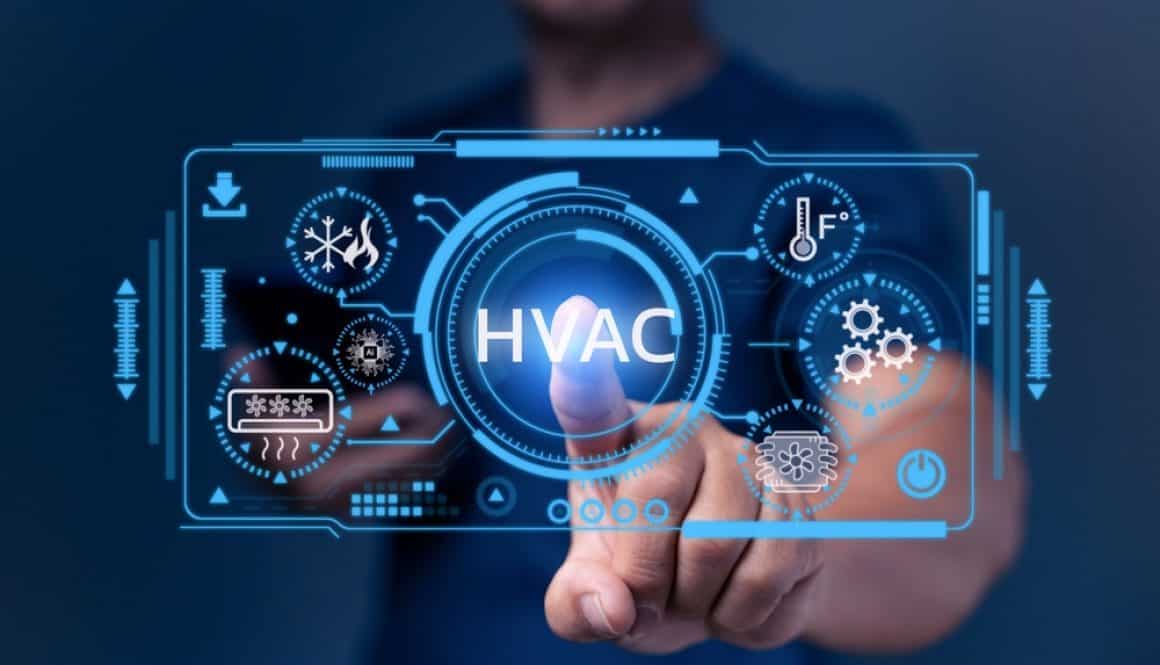
The industrial HVAC market is preparing for significant expansion which is expected to take place in the coming years. According to recent forecasts, the sector is likely to see growth of 7.01 billion dollars between 2024 and 2028, with a compound annual growth rate (CAGR) of 8.63%.

Refrigerants for data centres play a central role in efficient, sustainable cooling strategies.

Ensuring effective IT security represents a growing challenge faced by companies and organisations in today’s digital era. On the one hand, cybesecurity continues to evolve, but on the other hand, the human risk factor remains. Human error can compromise even the best protective systems available.

The construction of sustainable schools is a growing priority in today’s complex environmental scenario.

According to the latest figures from the International Energy Agency (IAE), the energy efficiency improvement ratings need to be greatly accelerated if the climate targets agreed and ratified by most EU member states are to be reached by 2030.

Modular cold rooms are bringing about a revolution in the controlled temperature storage sector, as they combine flexibility, cost effectiveness and sustainability. Thanks to their ability to be quickly adapted to meet company needs, they offer an ideal solution for any company seeking a dynamic way of responding to market challenges.

The World Energy Outlook 2024 (or WEO 2024), is a report by the International Energy Agency (IEA), which provides an accurate and detailed overview of the challenges and opportunities faced by the global energy sector.

The introduction of nuclear powered data centres is a new trend which could, over time, completely revolutionise the technology sector.

The decomposition of refrigerants is becoming an increasingly important issue, especially in light of the urgent need to reduce greenhouse gas emissions and protect the environment. Refrigerants such as HFC-134a are widely used in air conditioning and refrigeration systems, but their disposal poses significant challenges due to their chemical stability and high global warming potential.

According to the latest forecasts, the heat exchanger market will continue to grow in terms of sales volume, boosted by rising demand from the energy, chemical and HVAC sectors. Heat exchangers will play an increasingly important role in the optimisation of thermal processes at global level, thanks to the growing need for efficient, sustainable energy sources.

The European CharCool project is coordinated by the University of Padova and financed via funding of 38 million euros from the European Innovation Council. It represents a significant breakthrough in the field of sustainable cooling.