


Glide, Part IV: The refrigerant circuit
In this fourth and final technical article focused on glide, we analyze once again the practical implications of this phenomenon, focusing mainly on the movement of the fluid along the refrigerant circuit.
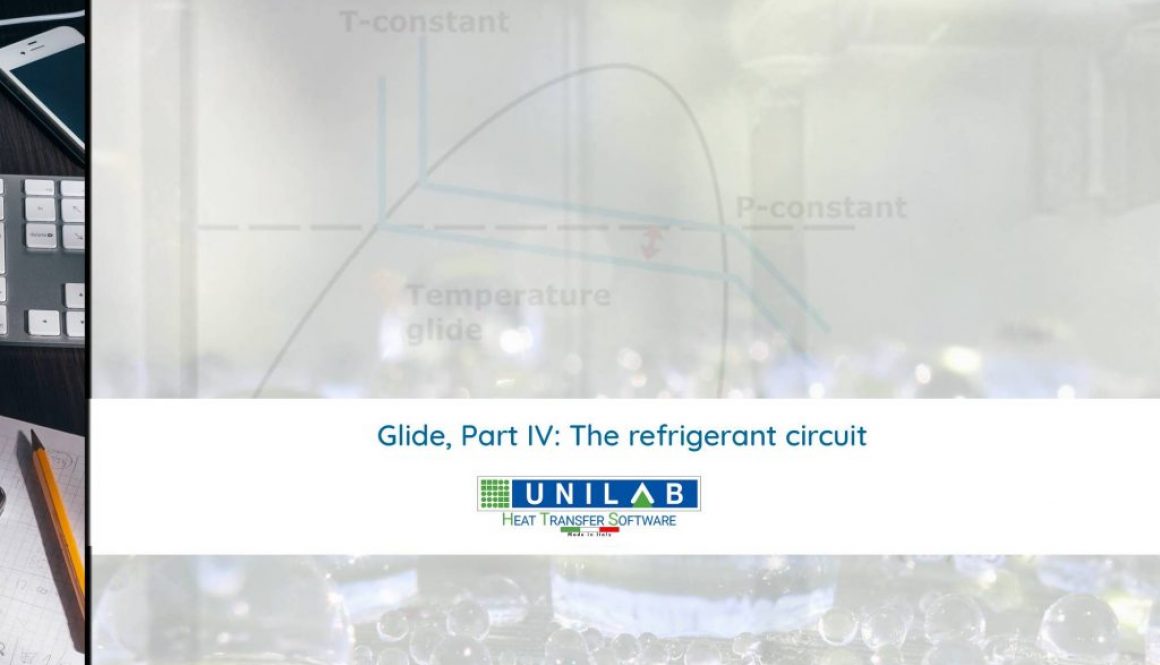
In this fourth and final technical article focused on glide, we analyze once again the practical implications of this phenomenon, focusing mainly on the movement of the fluid along the refrigerant circuit.
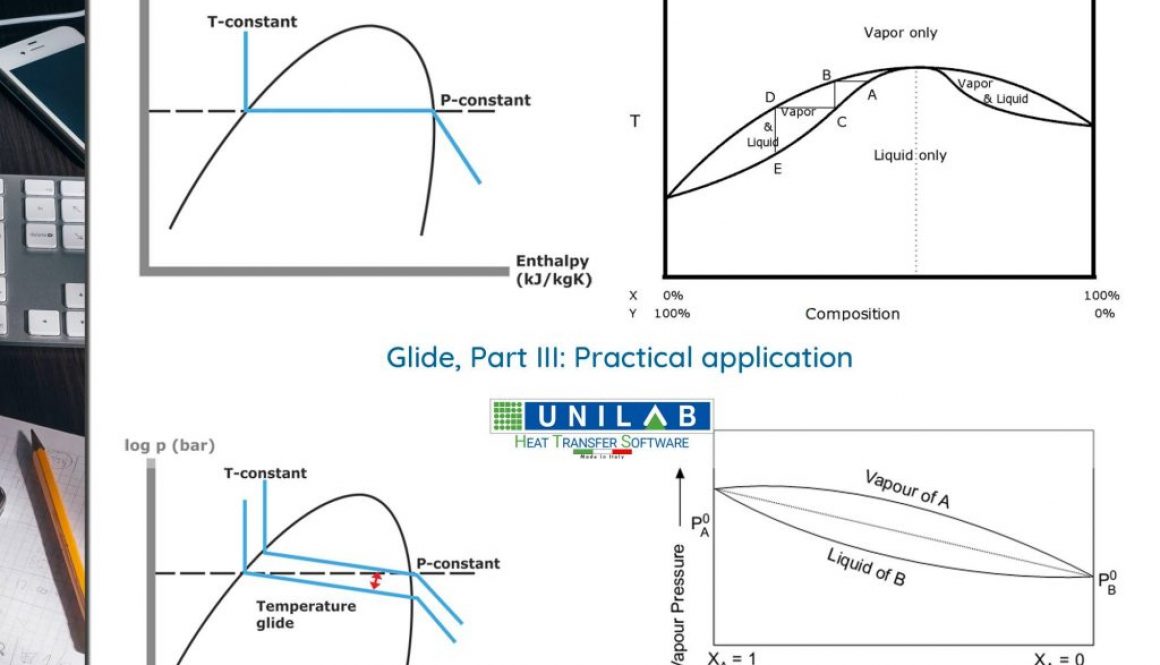
In the previous article of this series we had indicated that, as long as a zeotropic mixture has glide values lower than 2°K, its use in refrigeration circuits does not pose significant problems compared to the use of “homologous” one-component refrigerating fluids
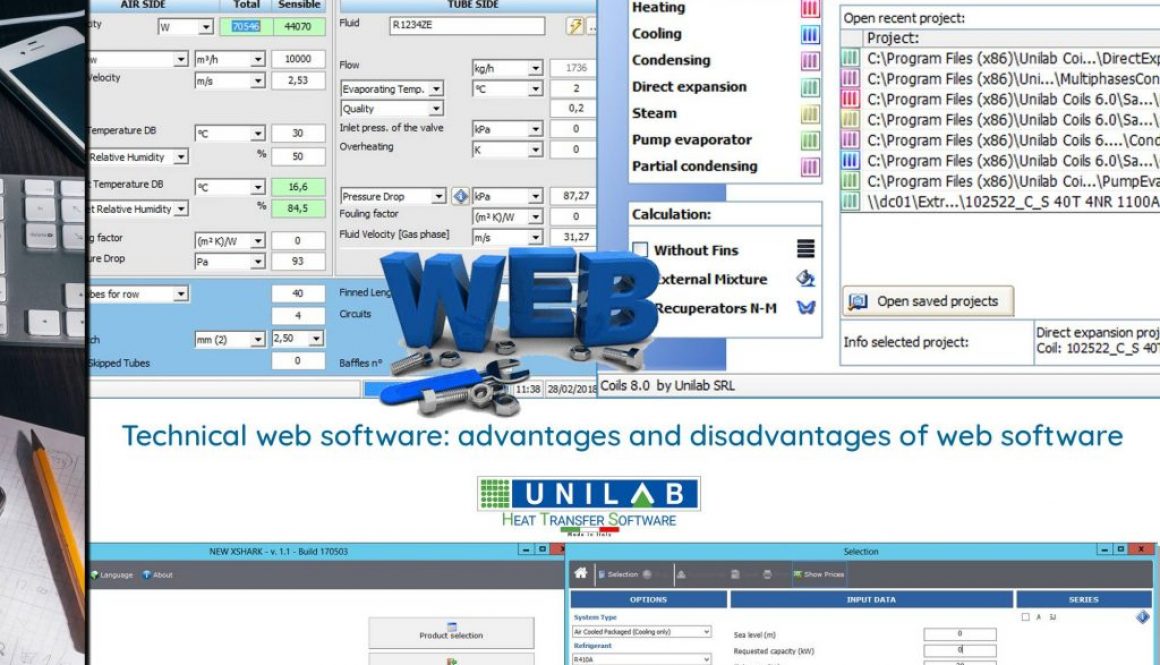
Let’s analyze what we normally mean by web software, with a particular analysis on technical software on web environment, advantages and disadvantages.
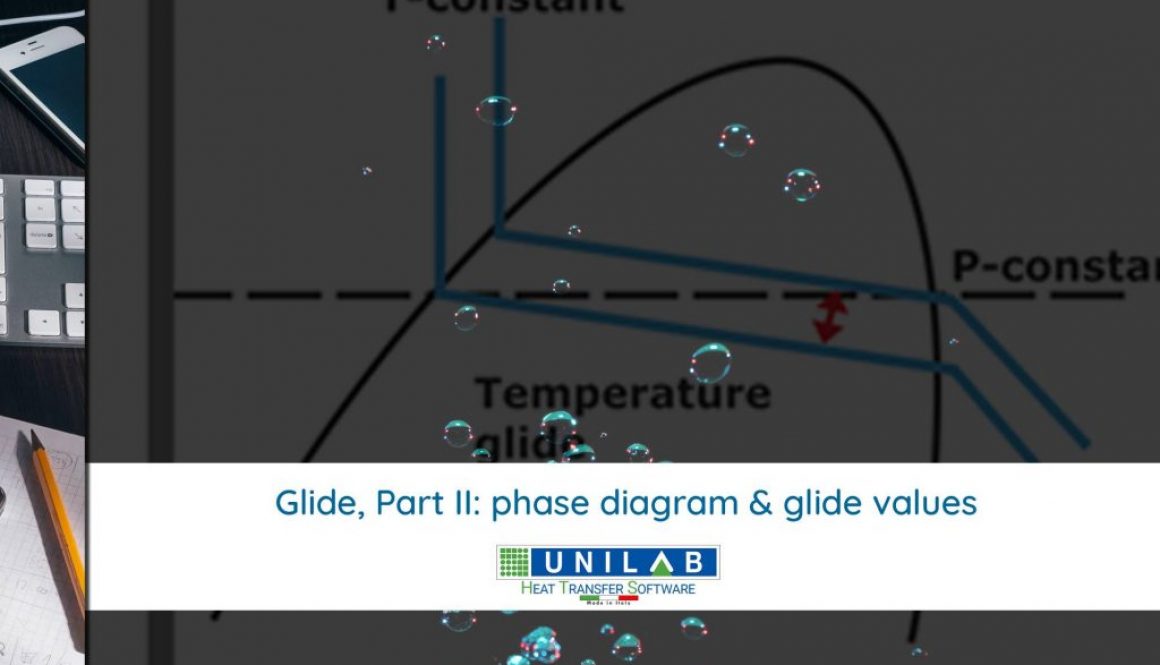
Let’s analyze the phenomenon of “glide” in this second part, focusing on the lens phase diagram and on the values of glide!

Let’s start with the 1st of our aticles to analyze the Glide phenomenon: what are azeotropic and zeotropic mixtures?

UNILAB RADIATOR SUITE is a one of a kind software, a unique tool that definitely adapts to the needs of the radiator manufacturers. The software gives the possibility of rating compact heat exchangers used in several fields

Our sales representative Ajay Mehndiratta provides us in this article with a brief overview of the market for Air Handling Units in India, giving us interesting insights on how Smart-Air, our software for the selection and budgeting of AHUs can be an excellent solution able to meet the needs of manufacturers.
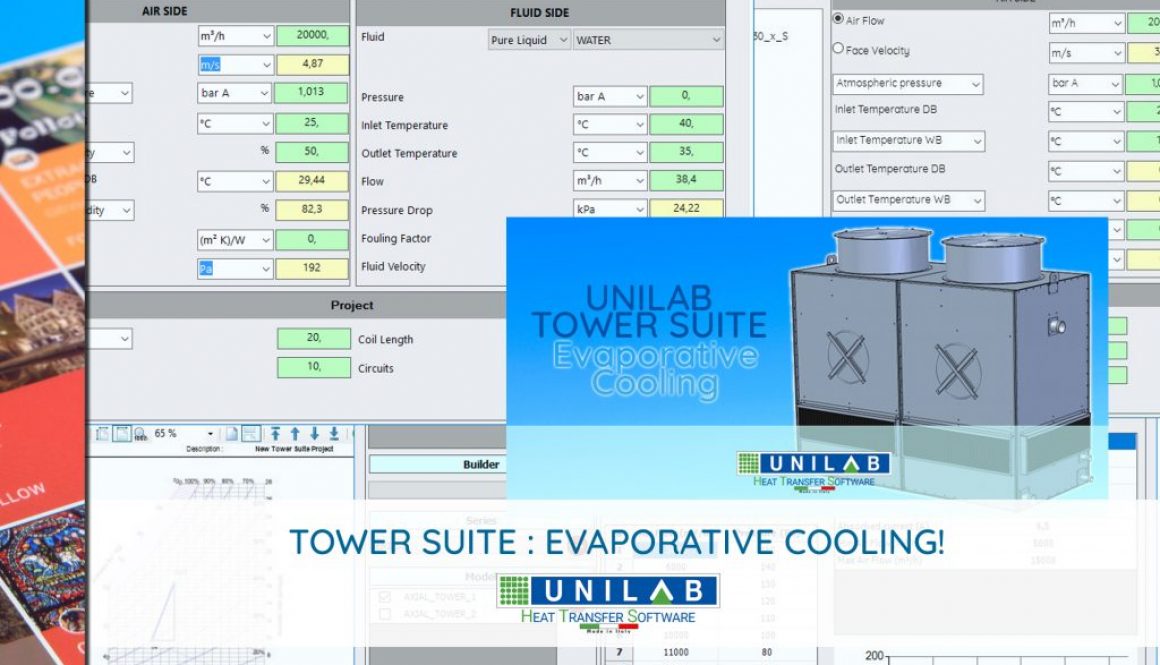
We are proud to announce the end of the development phase of the second module of Tower Suite, EVAPORATIVE COOLING!

We will be at Mostra Convegno Expocomfort in Milan on the 14th and 15th of March 2018! Contact us for more info!
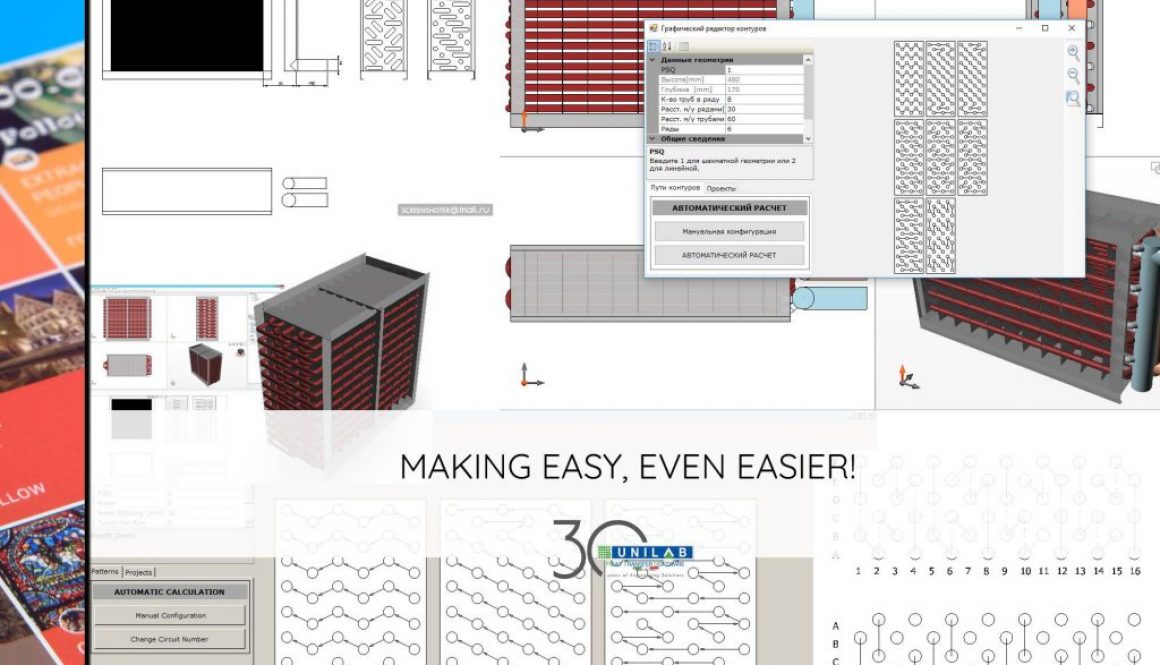
We’re starting the week with good news for EASY, our independent application which collects necessary constructive information of a coil heat exchanger, generates a 3D view of it and creates its circuiting automatically (or manually).

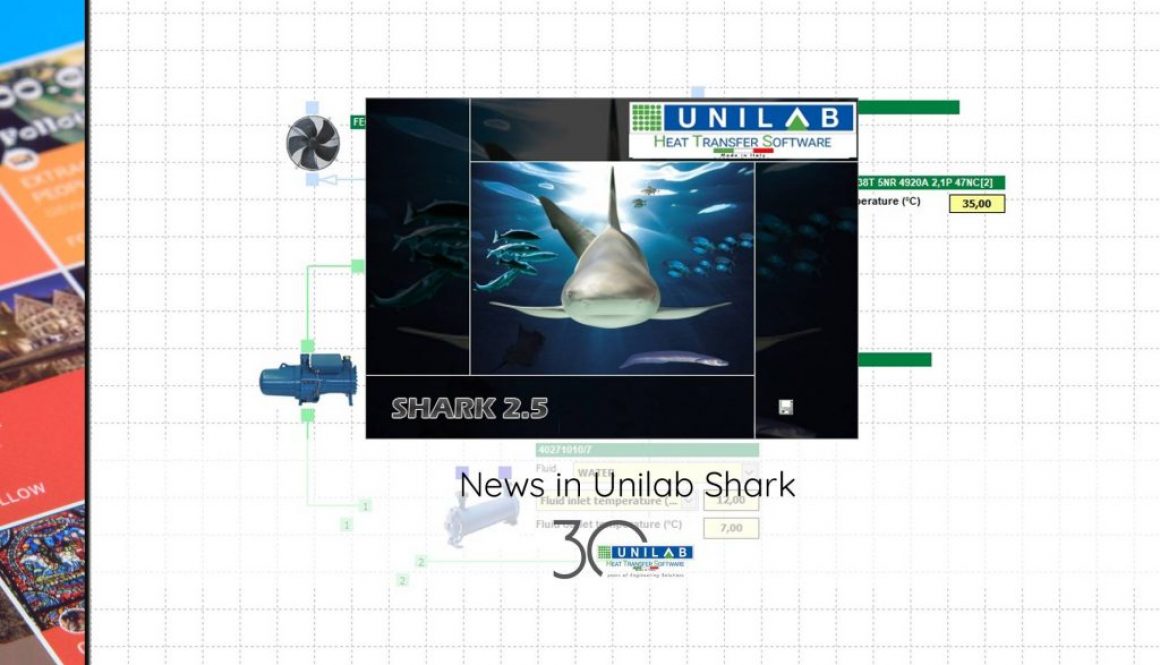
Great news at Unilab, right from the beginning of February. Let’s see the main features added to Unilab Shark!
This website uses cookies to enhance your experience. Some are essential for site functionality, while others help us analyze and improve your usage experience. Please review your options and make your choice.
If you are under 16 years old, please ensure that you have received consent from your parent or guardian for any non-essential cookies.
Your privacy is important to us. You can adjust your cookie settings at any time. For more information about how we use data, please read our privacy policy. You may change your preferences at any time by clicking on the settings button below.
Note that if you choose to disable some types of cookies, it may impact your experience of the site and the services we are able to offer.
Some required resources have been blocked, which can affect third-party services and may cause the site to not function properly.
This website uses cookies to enhance your browsing experience and ensure the site functions properly. By continuing to use this site, you acknowledge and accept our use of cookies.