HVAC systems and extreme heat: what there is to know
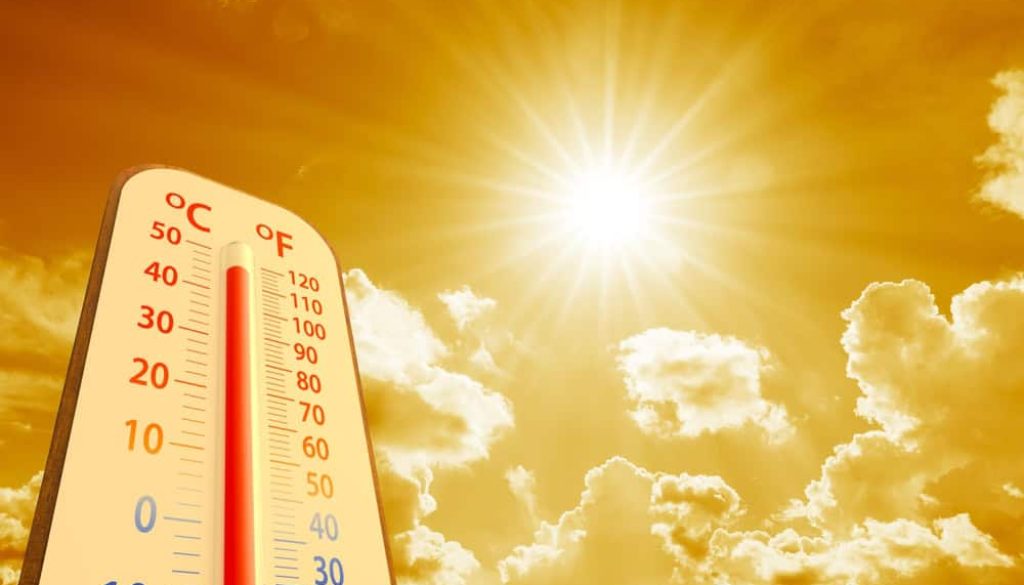
The increasingly frequent and intense heatwaves affecting many areas of the world and the rise in average temperature associated with climate change are gradually altering the way in which residential, commercial and industrial buildings are designed, used and run. In this scenario, HVAC (Heating, Ventilation and Air Conditioning) systems play a strategic role, not only by keeping buildings cool but above all by ensuring appropriate ventilation, efficient air circulation and providing optimal conditions for indoor wellbeing.
When extreme heat puts people and infrastructures under pressure, air conditioning systems are required to operate for many hours at a time, often without a break. Their correct functioning becomes essential to protect public health, especially that of the most vulnerable, such as the elderly, children and those suffering from chronic disease.
Nevertheless, maintaining a pleasant temperature is not the only objective; internal air quality, energy efficiency and preventative maintenance are also key factors in ensuring high performance during the most challenging periods of the year.
Why HVAC systems are under more strain during heatwaves
High external temperatures considerably increase a building’s thermal load. Walls, roof coverings, glass surfaces and other elements accumulate heat throughout the day, gradually transferring it to the inside. As a result, HVAC systems must work even longer to compensate for that accumulation and maintain the desired temperature.
Such intensive use inevitably leads to higher electricity consumption and continuous pressure on the system’s main components, including compressors, fans, condensors and evaporators. If maintenance is not carried out regularly or if the system is too small in relation to the building’s requirements, the risk of failure increases significantly at the exact times when air conditioning is indispensable.
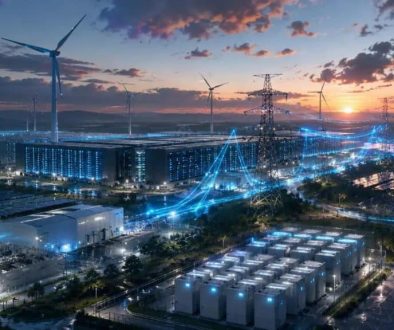
The electricity network also suffers from the increased consumption caused by the simultaneous use of millions of air conditioning systems. In periods characterised by extreme heat, peaks in demand can occur, putting added pressure on energy infrastructures, which makes it even more important to use efficient HVAC solutions equipped with inverter technologies, smart regulation and automatic energy consumption control systems.
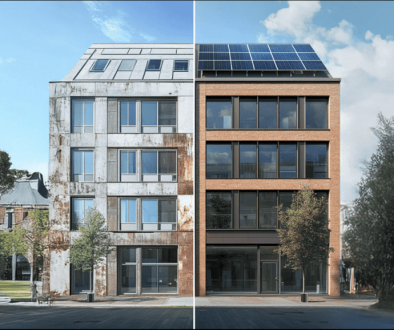
Another aspect to consider is building design. Thermal insulation, solar shielding, window orientation and building materials directly influence demand on the systems. A well designed building shell reduces the need for cooling, contributing to contain energy consumption and reduce wear on the equipment, even during periods of exceptionally high temperatures.
The importance of air flow and preventative maintenance
Among the factors which affect an HVAC system’s performance the most is definitely appropriate air circulation. A constant, well distributed air flow enables temperatures in the various rooms to be kept stable, avoiding the creation of areas which are too cold or excessively warm.
The main obstacle to correct air turnover is often a dirty filter. With the passing of time, dust, textile fibres, pollens and other particles accumulate on the filter surfaces and reduce air flow. As a result, the fan must work harder to distribute the conditioned air, while the compressor operates for longer in order to achieve the desired temperature.
Regular filter replacement is therefore one of the simplest but also the most efficient methods of preserving system performance levels. At the same time, it is important to check that the thermal exchange batteries are clean, check the refrigerant level, inspect the canalisations and eliminate any obstructions or leaks.
Planned maintenance also enables any minor problems to be identified before they become expensive system failures. Worn components, weak electrical connections or fans which are not perfectly balanced can compromise the system’s overall efficiency, just when demand for cooling reaches its peak.
Modern monitoring technologies also help to check essential parameters in real time, such as temperature, pressure, electricity consumption and air quality, facilitating rapid intervention as well as a more efficient management of the entire system.
Cooling and air quality: two closely linked aspects
A cool home is not necessarily the same thing as a home with healthy air. On the hottest days, windows and doors often remain closed for many hours at a time, limiting natural air circulation. Although this favours internal temperature stability, it can also cause an accumulation of pollutants present in the domestic environment.
Fine dust particles, pollens, pet hair, dust mites, airborne organic compounds and other particles can continue to circulate inside a building if the filter system is not adequate. In presence of allergies or respiratory illìness, the air quality takes on just as much importance as thermal comfort.
The external atmospheric conditions can also aggravate the situation. In periods of extreme heat, high concentrations of tropospheric ozone, floating dusts and (in some areas) smoke from forest fires are often recorded. These contaminants can penetrate buildings via openings, infiltrations or ventilation systems which are not correctly managed.
In order to minimise these risks, it is essential to use appropriate filters for the system specifications. The MERV classification (Minimum Efficiency Reporting Value) for example, indicates the filtration capacity of an element in relation to particles of different sizes. When selecting the most suitable class of filter, it is essential to take into account the technical specifications of the HVAC system, as an over-restrictive filter can reduce air flow if the system was not designed to support it.
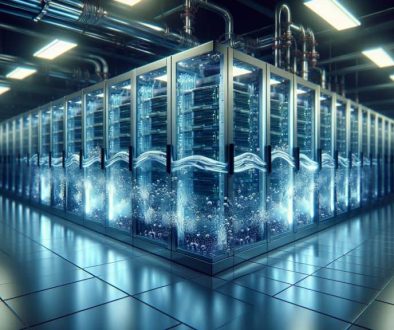
In the most modern buildings, mechanically controlled ventilation systems with heat recovery, integrated air purifiers and sensors that can continuously monitor CO₂ levels, relative humidity and particle matter are becoming increasingly common, considerably improving the quality of the air we breathe.
Energy efficiency, sustainability and smart technologies to face a changing climate
The challenges posed by ever higher temperatures are driving innovation in the HVAC sector. Today, producers are investing in the development of more efficient equipment, low environmental impact refrigerants and regulatory systems capable of automatically adapting system functioning to fit the building’s actual requirements.
Integration with environmental sensors, smart thermostats and building automation platforms enables energy consumption to be optimised without compromising comfort. The system can modulate its power according to room occupancy, metereological conditions and operating times, thereby avoiding pointless energy waste.
At the same time, interest is growing in buildings designed according to sustainability criteria, in which the efficiency of the building shell, the installation of solar shielding, natural ventilation at cooler times of day and the use of renewable energy sources, contribute to reducing the need for air conditioning.
For home owners and building managers, choosing a preventative strategy is the best solution. Planning maintenance before the summer, replacing filters regularly, checking the correct functioning of the equipment and engaging qualified professionals allows even periods of extreme heat to be faced with greater serenity.